


What's Happening?
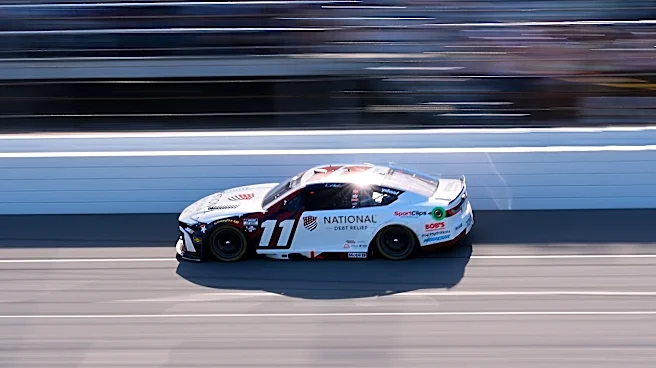
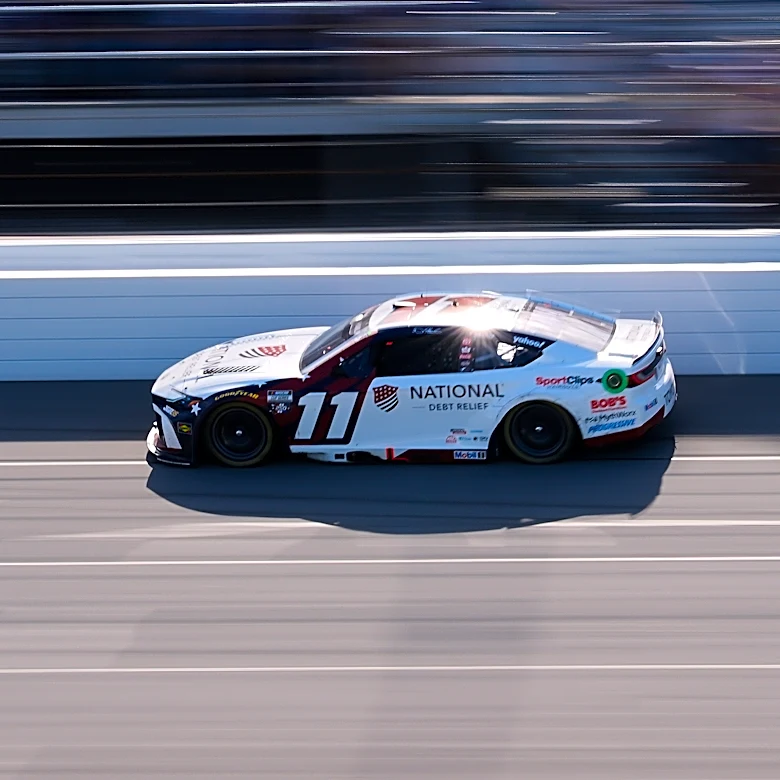
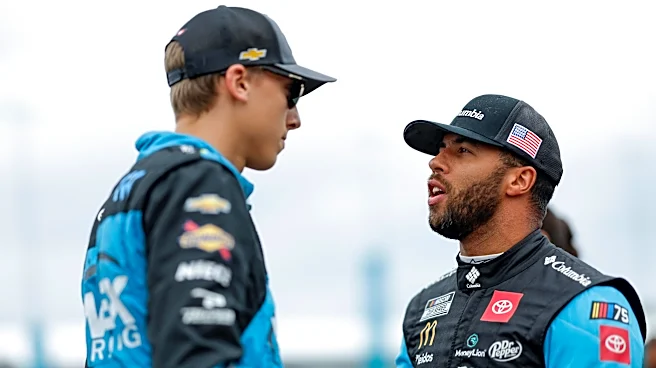
Bubba Wallace and Carson Hocevar had a tense exchange following the NASCAR Cup Series race at Michigan International Speedway. The incident occurred after a multi-car crash on the 83rd lap, initiated by Hocevar, which involved several drivers including
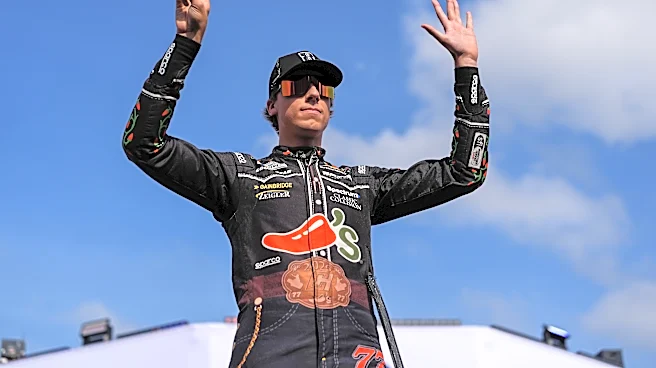
Wallace. Despite the crash, both drivers finished strongly, with Wallace placing third and Hocevar fifth. Wallace later pulled Hocevar aside to discuss his aggressive driving style, which has earned Hocevar a reputation for being reckless. Wallace acknowledged Hocevar's speed but advised him to exercise more control to improve his race finishes.
Why It's Important?
The exchange between Wallace and Hocevar highlights ongoing tensions in NASCAR regarding aggressive driving styles. Hocevar's approach, while reminiscent of past legends like Dale Earnhardt, has not been well-received by all current drivers. This incident underscores the balance drivers must maintain between aggression and control to succeed in the sport. Wallace's advice to Hocevar reflects a broader sentiment among experienced drivers that strategic restraint can lead to better outcomes. The incident also impacts the drivers' standings, with both moving up in the points, affecting their postseason prospects.
What's Next?
As the NASCAR season progresses, Hocevar's driving style will likely continue to be scrutinized by fellow drivers and analysts. His ability to adapt and possibly heed Wallace's advice could influence his future success and relationships within the sport. The incident may also prompt discussions among teams and officials about the balance between competitive driving and safety. Fans and stakeholders will be watching closely to see if Hocevar adjusts his approach in upcoming races, potentially impacting his reputation and career trajectory.
Beyond the Headlines
The incident between Wallace and Hocevar also raises questions about the cultural dynamics within NASCAR. The comparison of Hocevar to Dale Earnhardt by figures like Richard Petty and Dale Earnhardt Jr. suggests a nostalgic appreciation for aggressive driving. However, the current competitive environment may require a different approach, highlighting a generational shift in racing strategies. This tension between old-school aggression and modern strategic racing could influence how new drivers are trained and how the sport evolves.