





What's Happening?
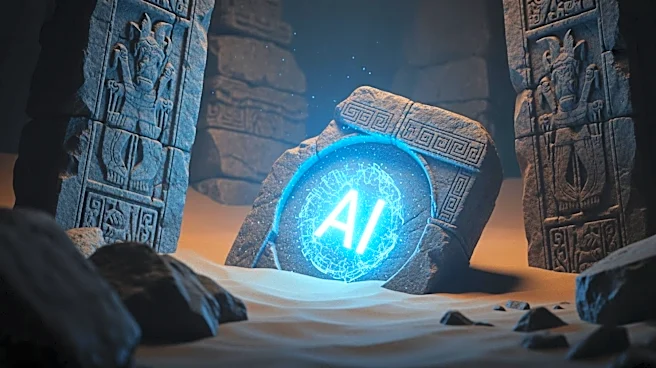
The upcoming game 'Tomb Raider: Legacy of Atlantis' has sparked discussions in the gaming industry due to its use of AI-assisted tools during development. The game, set to release on February 12, 2027, will be available on multiple platforms, including
the Nintendo Switch 2. An AI disclaimer on the game's Steam page reveals that AI tools were used for early exploration and temporary content, with all final assets refined by humans. This disclosure has fueled ongoing debates about the role of AI in game development and its impact on creativity.
Why It's Important?
The use of AI in game development is a growing trend that raises questions about the balance between technological efficiency and human creativity. Crystal Dynamics' transparency about AI usage highlights the industry's evolving approach to integrating AI into creative processes. This development is significant as it may influence industry standards and ethical considerations regarding AI in game development. The gaming community and industry stakeholders are closely monitoring how AI integration affects game quality and the role of human developers.
What's Next?
As 'Tomb Raider: Legacy of Atlantis' approaches its release, further discussions about AI's role in game development are expected. Crystal Dynamics may provide more details on how AI was specifically used in the game's creation. The industry will likely continue to explore the benefits and challenges of AI, potentially leading to new guidelines or standards for AI usage in game development. The reception of 'Legacy of Atlantis' could also influence future projects and the extent to which AI is integrated into creative processes.