






What's Happening?
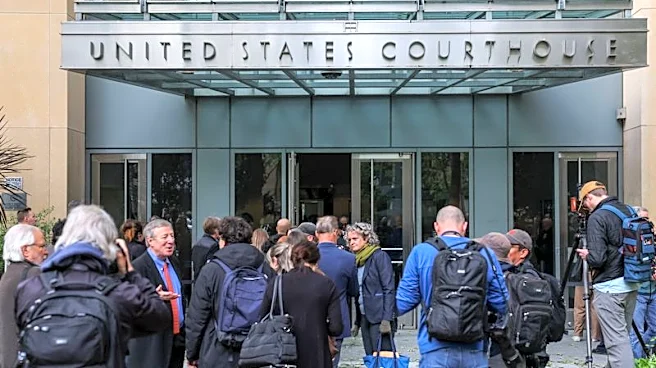
In a recent federal court hearing in California, Elon Musk confirmed that his AI startup, xAI, has utilized models from OpenAI to enhance its own AI capabilities. This practice, known as model distillation, involves using a larger AI model to train a smaller
one, effectively transferring knowledge. While this method is common within companies to improve their own models, it has sparked controversy when used to replicate the performance of competitors' models. During the hearing, Musk acknowledged the use of model distillation, stating it is a standard practice among AI companies. The controversy arises from the legal ambiguities surrounding this practice, as it can potentially infringe on intellectual property rights. Companies like OpenAI and Anthropic have previously accused other firms of using distillation to mimic their models, raising concerns about intellectual property theft.
Why It's Important?
The admission by Elon Musk highlights the ongoing tensions in the AI industry regarding intellectual property and competitive practices. Model distillation, while a legitimate training method, can blur the lines between innovation and intellectual property infringement. This case underscores the challenges faced by AI companies in protecting their proprietary technologies while fostering innovation. The outcome of this legal scrutiny could set precedents for how AI companies navigate intellectual property rights and competitive practices. It also raises questions about the ethical implications of using competitors' models to gain an advantage, potentially impacting the dynamics of the AI industry and influencing future regulatory frameworks.
What's Next?
The legal proceedings involving xAI and OpenAI could lead to clearer guidelines and regulations regarding the use of model distillation in the AI industry. Companies may need to reassess their strategies to ensure compliance with intellectual property laws and avoid potential legal disputes. The case could also prompt AI firms to develop more robust measures to protect their models from unauthorized use. As the industry continues to evolve, stakeholders, including policymakers and legal experts, may need to collaborate to establish standards that balance innovation with intellectual property protection.