





What's Happening?
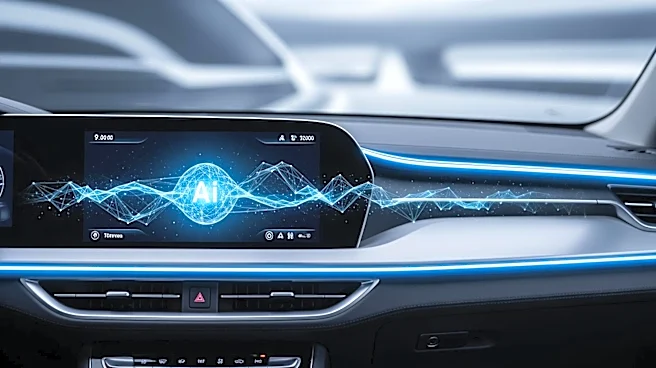
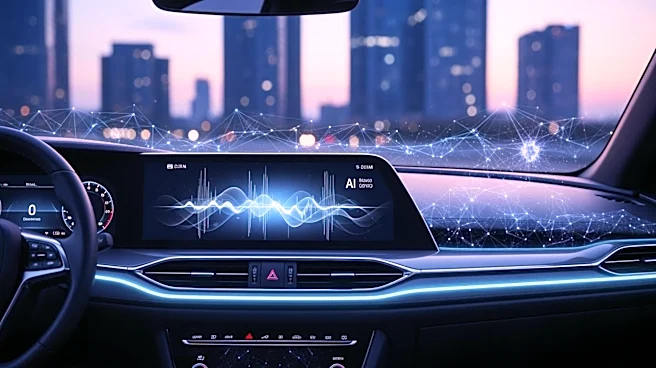
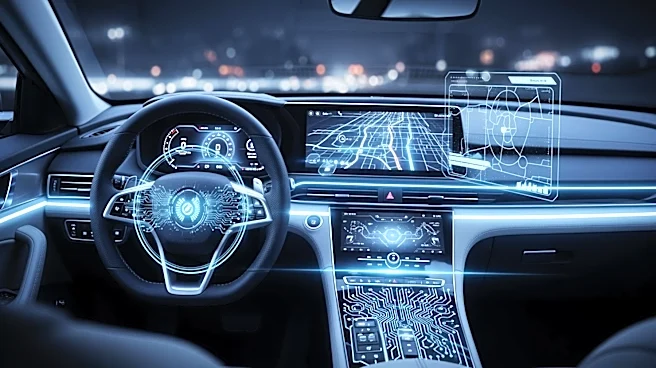
General Motors (GM) is advancing its autonomous driving technology by integrating Emotional AI to better understand and predict human emotions. This technology analyzes data from facial expressions and voice tones to simulate human emotions, which is crucial
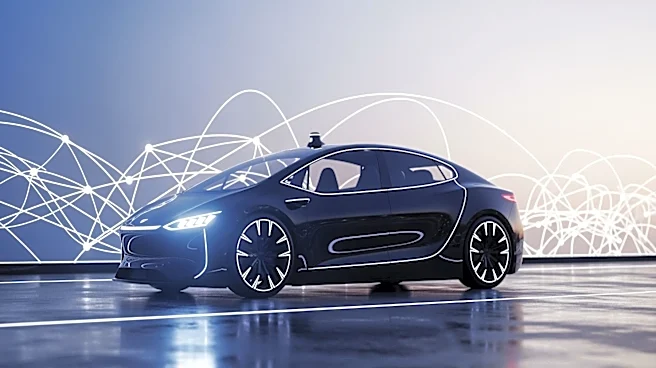
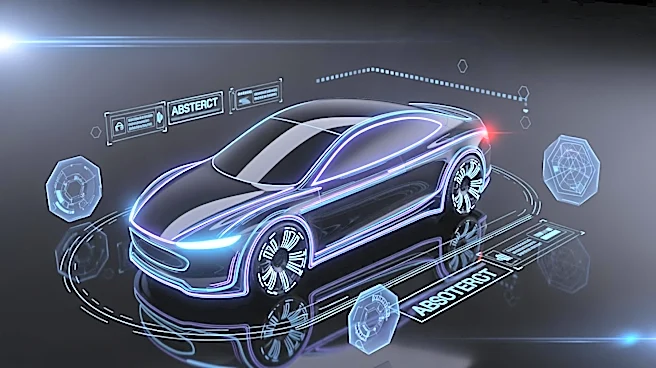
for improving the interaction between humans and self-driving cars. In GM's research lab, test subjects are equipped with sensors that monitor eye movements, heartbeat, and perspiration during driving simulations. This data is then processed by AI to assess the driver's stress levels and emotional state. Additionally, GM has developed an AI-powered virtual wind tunnel to provide instantaneous aerodynamic drag predictions, which is vital for enhancing the efficiency of electric vehicles (EVs). The company plans to introduce hands-off, eyes-off driving by 2028 with the all-electric Cadillac Escalade IQ.
Why It's Important?
The integration of Emotional AI in autonomous vehicles represents a significant step forward in the development of self-driving technology. By understanding human emotions, GM aims to create a safer and more intuitive driving experience, potentially reducing accidents caused by human error. This technology could also lead to increased consumer trust and acceptance of autonomous vehicles. Furthermore, the AI-powered virtual wind tunnel enhances the efficiency of EVs by optimizing aerodynamic performance, which is crucial for extending battery life and reducing energy consumption. These advancements position GM as a leader in the automotive industry's shift towards more sustainable and intelligent transportation solutions.
What's Next?
GM plans to debut its hands-off, eyes-off driving technology in 2028 with the Cadillac Escalade IQ. As the company continues to refine its Emotional AI and virtual wind tunnel technologies, it is likely to conduct further testing and simulations to ensure the reliability and safety of its autonomous vehicles. The success of these technologies could influence other automakers to adopt similar approaches, potentially accelerating the development and deployment of autonomous vehicles across the industry. Additionally, regulatory bodies may need to establish new guidelines and standards to address the unique challenges posed by Emotional AI in self-driving cars.