





What's Happening?
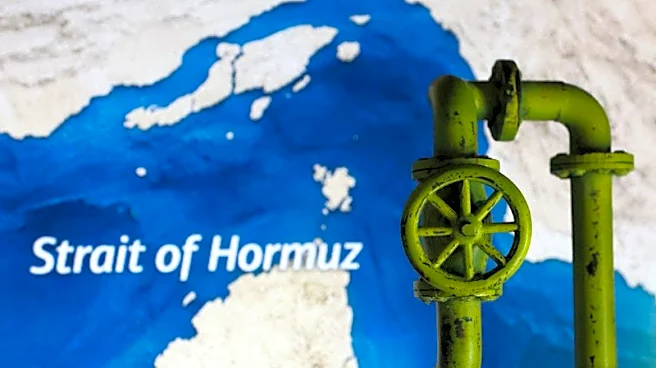
The ongoing conflict in Iran is beginning to impact the U.S. short-term credit markets, with signs of stress emerging as the war persists. The spread between 30-day rates on AA-rated non-financial commercial paper (CP) and the one-month Secured Overnight
Funding Rate (SOFR) has widened, indicating increased costs for unsecured funding. This development reflects growing investor caution and a risk-averse environment. The Federal Reserve's latest data shows that the spread has increased to 6 basis points, up from zero before the conflict began. Analysts note that the widening spreads are an early sign of worsening credit conditions, as investors demand higher compensation for lending to high-quality corporates.
Why It's Important?
The widening spreads in the short-term credit market are a critical indicator of potential liquidity risks and tightening credit conditions. As the conflict in Iran continues, the uncertainty is causing investors to become more cautious, impacting the availability and cost of short-term funding for corporations and banks. This situation could lead to broader financial instability if credit conditions continue to deteriorate. The commercial paper market is a vital source of short-term funding for many businesses, and any disruptions could have significant implications for corporate financing and economic activity.
What's Next?
Market participants will be closely monitoring the developments in the short-term credit markets for further signs of stress. The Federal Reserve and other financial institutions may need to take action to address any liquidity issues that arise. The ongoing geopolitical tensions will remain a key factor influencing investor sentiment and credit market conditions. Companies reliant on short-term funding will need to assess their financing strategies and prepare for potential challenges in accessing capital. The situation underscores the importance of maintaining financial stability amid global uncertainties.