
What's Happening?
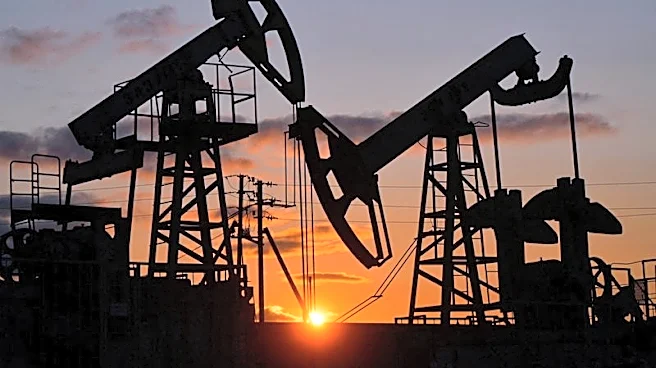
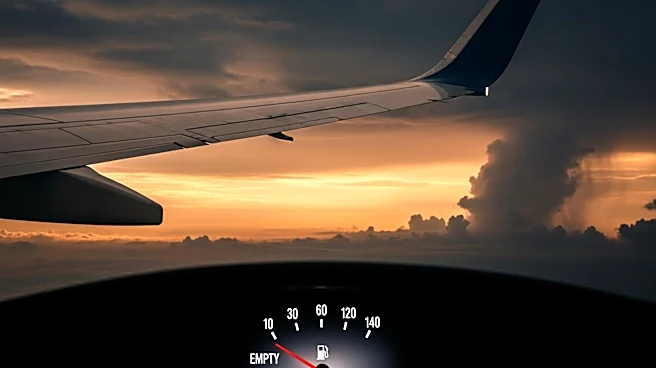
Airlines are warning of a potential jet fuel shortage that could disrupt summer travel plans. The shortage is linked to a global oil crisis caused by the war in Iran and a blockade of the Strait of Hormuz,
which has cut off about 20% of the global oil supply. European airports have already reported a systemic jet fuel shortage, and some international airlines are canceling flights. U.S. carriers may also cut schedules if the situation persists. The shortage is driving up fuel costs, leading to increased travel expenses, such as higher checked bag fees.
Why It's Important?
The jet fuel shortage could have significant implications for the travel industry and the broader economy. Airlines may be forced to reduce flight schedules, leading to fewer available seats and potentially higher ticket prices. This could impact tourism and business travel, affecting economic activity in regions dependent on these sectors. The situation also highlights the vulnerability of global supply chains to geopolitical tensions and the need for diversified energy sources to ensure stability.
What's Next?
Airlines are closely monitoring the situation and may adjust flight schedules based on fuel availability. Travelers are advised to remain flexible with their plans and prepare for potential disruptions. The ongoing conflict in Iran and the blockade of the Strait of Hormuz will continue to influence global oil markets, and any resolution could impact the availability and cost of jet fuel. Policymakers may need to explore alternative energy solutions to mitigate the impact of such crises in the future.
Beyond the Headlines
The current fuel shortage underscores the importance of energy security and the need for sustainable energy solutions. It raises questions about the reliance on fossil fuels and the potential benefits of investing in renewable energy sources. The situation may prompt a reevaluation of energy policies and encourage innovation in alternative fuels for the aviation industry.