


What's Happening?
Anduril, a defense startup founded by Palmer Luckey, has emerged as a significant player in the U.S. defense industry, recently winning a major contract to build a fleet of autonomous fighter jets. This victory came as a surprise, as Anduril outperformed
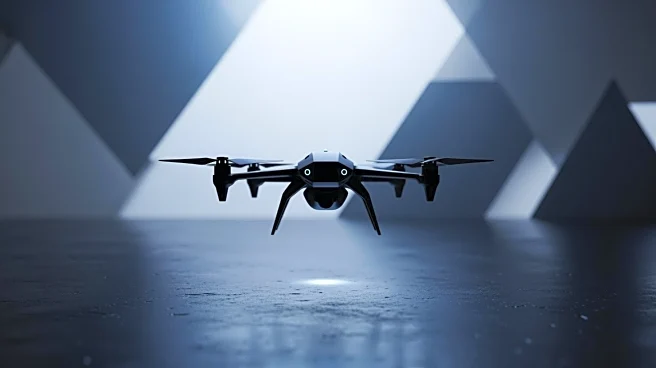
established aerospace giants like Boeing, Lockheed Martin, and Northrop Grumman. The company, valued at nearly $31 billion, reported $2 billion in revenue last year and holds global contracts worth over $6 billion. Despite its rapid growth and technological advancements, some U.S. defense officials express concerns about the risks of relying on a relatively inexperienced startup compared to long-established companies. Anduril's focus on autonomous weapons systems, including drones and AI technologies, positions it as a key player in modern warfare, with plans to expand its operations by opening a new factory in Ohio.
Why It's Important?
The rise of Anduril highlights a shift in the defense industry towards embracing innovative technologies and startups. This development could significantly impact the U.S. military's strategic capabilities, offering advanced autonomous systems that promise to enhance operational efficiency and reduce human risk. However, the reliance on a startup like Anduril raises questions about the stability and reliability of defense supply chains, traditionally dominated by established firms with extensive infrastructure and experience. The outcome of this shift could influence future defense procurement strategies and the balance of power within the industry, potentially affecting national security and economic interests.
What's Next?
As Anduril continues to expand, it plans to open a $1 billion factory in Ohio, creating 4,000 jobs and further solidifying its presence in the defense sector. The company's ongoing negotiations for a new funding round could increase its valuation to over $60 billion, attracting more attention from investors and government officials. The U.S. defense establishment may need to reassess its procurement strategies, balancing innovation with the need for reliable and experienced suppliers. The success of Anduril's autonomous systems could also prompt other startups to enter the defense market, potentially reshaping the industry's landscape.
Beyond the Headlines
The ethical implications of deploying autonomous weapons systems are a growing concern, as these technologies could change the nature of warfare and raise questions about accountability and decision-making in combat. The integration of AI in military operations also poses challenges related to cybersecurity and the potential for adversaries to exploit vulnerabilities. As Anduril and similar companies push the boundaries of defense technology, policymakers and military leaders must address these issues to ensure responsible and secure use of autonomous systems.