

What's Happening?
Netflix has released 'Peaky Blinders: The Immortal Man,' a sequel to the popular gangster series 'Peaky Blinders.' The film continues the story of Thomas Shelby, a Birmingham crime boss, as he faces new challenges during the Second World War. The series,
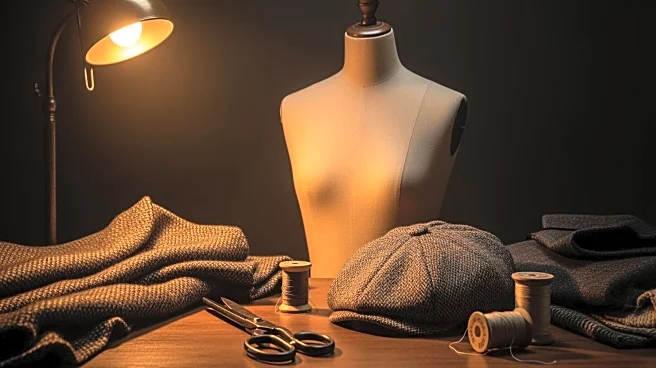
which originally aired in 2013, is inspired by the real-life Peaky Blinders gang that operated in Birmingham in the late 19th and early 20th centuries. These gangsters were known for their distinctive fashion and criminal activities. The show has popularized the myth that the gang's name came from sewing razor blades into their caps, although historians suggest this is likely fictional. The real Peaky Blinders were involved in various criminal enterprises, including gambling and extortion, and were known for their stylish appearance.
Why It's Important?
The release of 'Peaky Blinders: The Immortal Man' underscores the enduring fascination with the Peaky Blinders gang and their cultural impact. The series has not only entertained audiences but also sparked interest in the historical context of post-World War I England. By blending fiction with historical elements, the show offers a narrative that explores themes of power, class struggle, and identity. This has implications for how historical narratives are consumed and understood by modern audiences. The show's success also highlights the global appeal of British historical dramas and their ability to influence fashion and popular culture.
What's Next?
With the continued popularity of the Peaky Blinders series, there is potential for further expansions of the franchise. Screenwriter Steven Knight has indicated that there is a strong appetite for stories set in the Peaky Blinders universe, suggesting that more films or series could be developed. This could lead to new explorations of historical events and characters, providing fresh content for fans. Additionally, the show's influence on fashion and media may continue to grow, inspiring new trends and adaptations.
Beyond the Headlines
The Peaky Blinders series raises questions about the romanticization of criminal figures and the ethical implications of portraying them as anti-heroes. While the show presents the gang as working-class figures fighting against societal oppression, historians argue that the real Peaky Blinders preyed on their own communities. This highlights the tension between entertainment and historical accuracy, prompting discussions about how media shapes public perceptions of history. The series also reflects broader cultural trends in storytelling, where complex characters and morally ambiguous narratives resonate with audiences.