






What's Happening?
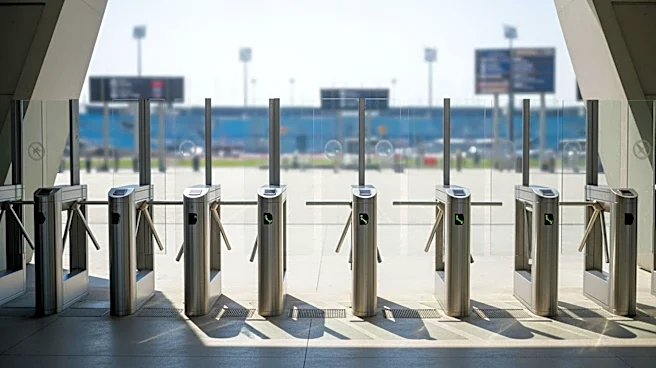
The FIFA World Cup 2026 is set to take place from June 11 to July 19, 2026, across 16 host cities in Canada, Mexico, and the United States. As fans prepare to attend matches, they must adhere to FIFA's strict stadium policies regarding what can be brought
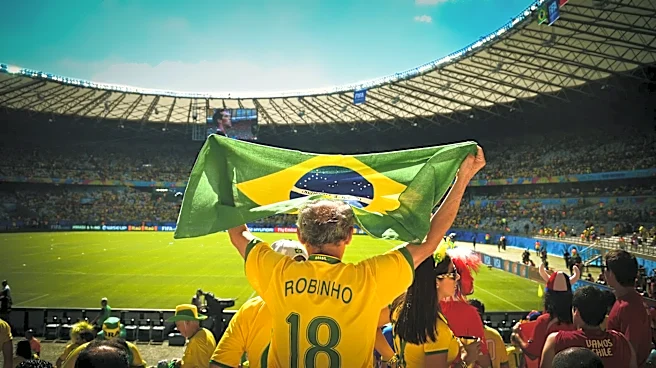
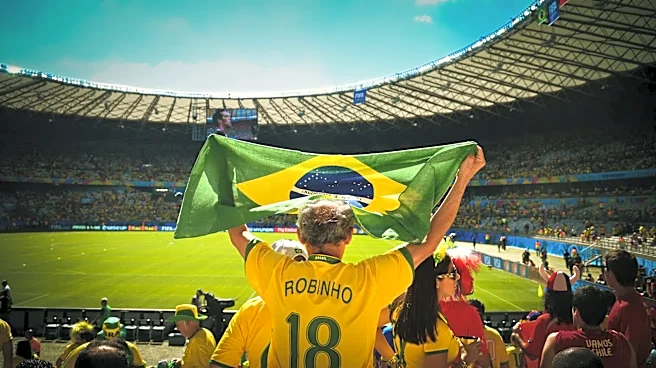
into the venues. These regulations include restrictions on water, food, bags, and electronic devices. Only clear plastic, PVC, or vinyl bags of specific dimensions are allowed, and all bags are subject to search at the entrance. Additionally, items such as vuvuzelas, air horns, and large flags are prohibited. The tournament will feature 104 matches, with 48 national teams competing, including the host nations. Fans are advised to check FIFA's Stadium Code of Conduct for a comprehensive list of permitted and prohibited items.
Why It's Important?
The implementation of strict stadium policies at the FIFA World Cup 2026 is significant as it affects the fan experience and ensures safety and security at the event. By regulating what can be brought into the stadiums, FIFA aims to prevent disruptions and maintain a controlled environment. This approach also highlights the importance of security measures in large-scale international events, where the safety of attendees is a top priority. The policies may impact fans' convenience, requiring them to plan carefully and adhere to guidelines to avoid entry issues. The World Cup's extensive reach, with matches held in multiple countries, underscores the need for consistent security protocols across all venues.
What's Next?
As the World Cup approaches, fans will need to stay informed about any updates or changes to the stadium policies. FIFA and local organizers may provide additional guidance or clarifications to ensure smooth entry and compliance with regulations. Fans should also be prepared for potential security checks and plan their game day logistics accordingly. The success of these policies could influence future international sporting events, setting a precedent for security and fan management. Stakeholders, including local authorities and event organizers, will likely monitor the implementation and effectiveness of these measures throughout the tournament.