
What's Happening?
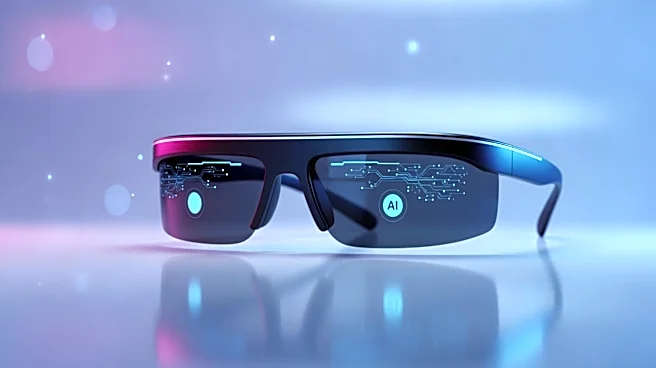
The year 2026 is set to witness significant shifts in augmented reality (AR) technology, driven by major tech companies and chipmakers. Snap has announced a multi-year deal with Qualcomm to use Snapdragon
XR chips in its Specs AR glasses, enhancing consumer launch prospects. Meta is testing facial-recognition features for smart glasses, raising privacy concerns. Mixed-reality apps on Quest and XR platforms are gaining traction, while Qualcomm's XR platform is becoming a backbone for industry development. Apple's Vision Pro continues to set high standards for premium AR experiences, and Google's Android XR tooling is facilitating phone-to-glasses integrations. Content deals are transforming AR from a utility to a narrative medium.
Why It's Important?
These developments in AR technology are poised to redefine consumer and creator experiences in 2026. The integration of advanced chips and AI capabilities in AR devices promises more immersive and intuitive user experiences. However, the introduction of facial-recognition features by Meta could spark privacy debates and regulatory scrutiny. As AR technology becomes more mainstream, companies like Snap, Meta, and Apple are likely to influence industry standards and consumer expectations. The shift towards narrative-driven AR experiences could open new opportunities for content creators and entertainment industries.
What's Next?
As these AR shifts unfold, consumers and creators will need to navigate faster device rollouts, improved developer tools, and heightened privacy concerns. Companies may face increased pressure to address privacy issues and ensure compliance with regulations. The competitive landscape in the AR market is expected to intensify, with tech giants vying for consumer attention and market share. Stakeholders will be closely monitoring these developments to assess their impact on future AR applications and consumer adoption.