




What's Happening?
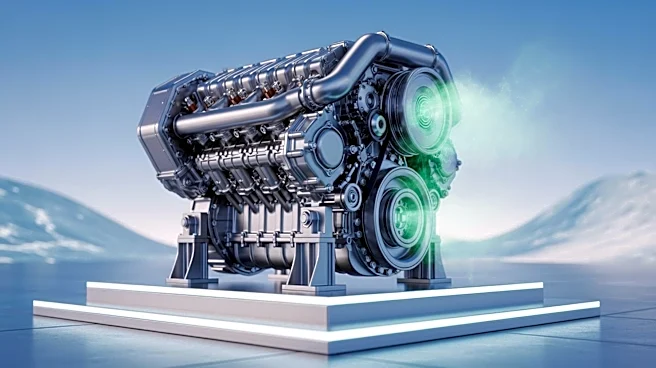
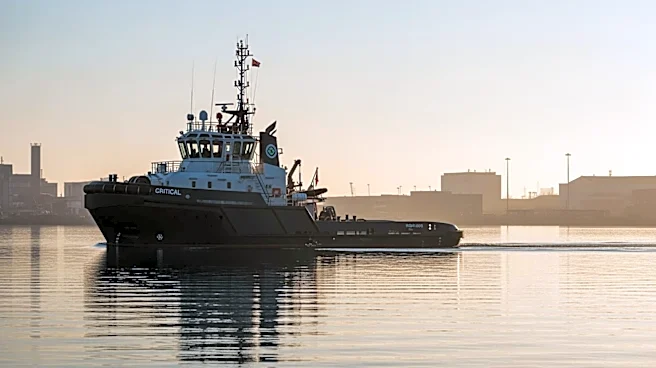
Japan's NYK Group has launched a new lubricating oil analysis service aimed at monitoring the condition of ammonia-fueled engines. This initiative is part of the company's broader strategy to support the adoption of alternative fuels in the shipping industry.
Developed by Nippon Yuka Kogyo, a group company, the service is designed to detect early signs of abnormalities in engines using ammonia as fuel. Ammonia is considered a next-generation maritime fuel due to its low greenhouse gas emissions during combustion. However, it requires new methods for monitoring engine performance. The service uses lubricating oil analysis to assess internal engine conditions, enabling early detection of potential issues and supporting operational reliability. The offering is based on verification trials that established the technical expertise required to monitor ammonia-fueled engines. The service will be available to NYK Group companies and external customers, with its launch scheduled during the Sea Japan maritime exhibition starting April 22, 2026.
Why It's Important?
The introduction of this oil analysis service by NYK Group is significant as it represents a step forward in the maritime industry's efforts to decarbonize. By facilitating the use of ammonia as a maritime fuel, the service supports the reduction of greenhouse gas emissions, aligning with global environmental goals. The ability to monitor and maintain ammonia-fueled engines effectively is crucial for their adoption, as it ensures operational reliability and safety. This development could encourage other shipping companies to consider alternative fuels, potentially leading to a broader shift in the industry towards more sustainable practices. The service also positions NYK Group as a leader in maritime innovation, potentially giving it a competitive edge in the market.
What's Next?
As the service launches, it is expected that NYK Group will gather data and feedback from its initial users to refine and enhance the offering. The success of this service could lead to further innovations in engine monitoring technologies and the development of additional services tailored to other alternative fuels. Stakeholders in the maritime industry, including shipbuilders and fuel suppliers, may respond by accelerating their own efforts to support ammonia and other low-emission fuels. Regulatory bodies might also take note, potentially leading to new standards or incentives for the adoption of such technologies.