
What's Happening?
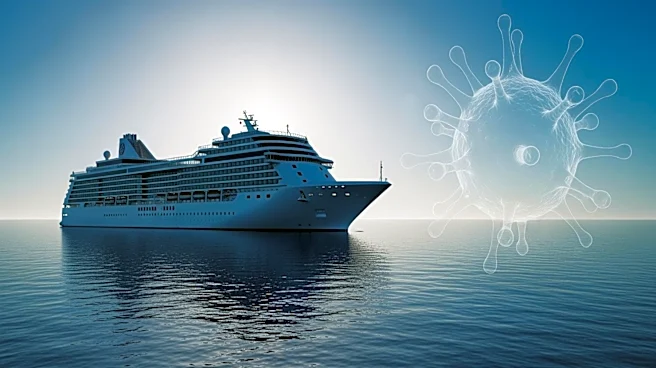
Despite recent virus outbreaks on cruise ships, including hantavirus on the MV Hondius and norovirus on the Ambition, the cruise industry is experiencing record passenger numbers. The United States remains
the largest source of cruise passengers globally, with 20.5 million people embarking on trips last year. Infectious disease experts highlight that cruise ships are environments where viruses can spread rapidly due to shared spaces and prolonged close contact among passengers. However, industry experts and travelers remain optimistic, with bookings continuing to rise and passengers expressing confidence in cruise operators' handling of outbreaks.
Why It's Important?
The resilience of the cruise industry amid virus outbreaks demonstrates the strong demand for cruise travel and the sector's economic significance. The ability of cruise ships to attract passengers despite health risks underscores the importance of effective health protocols and communication strategies by cruise operators. The industry's growth contributes significantly to tourism economies, but it also necessitates ongoing vigilance to prevent and manage health crises. The situation highlights the need for robust public health measures and transparency to maintain passenger trust and ensure safety.
Beyond the Headlines
The cruise industry's handling of virus outbreaks may influence public perception and regulatory scrutiny. The industry's response to health challenges could lead to innovations in sanitation and health monitoring technologies. The balance between economic growth and health safety will be crucial as the industry navigates future challenges. The situation also raises questions about the ethical responsibilities of cruise operators in ensuring passenger safety and the potential long-term impact on travel behaviors.