
What's Happening?
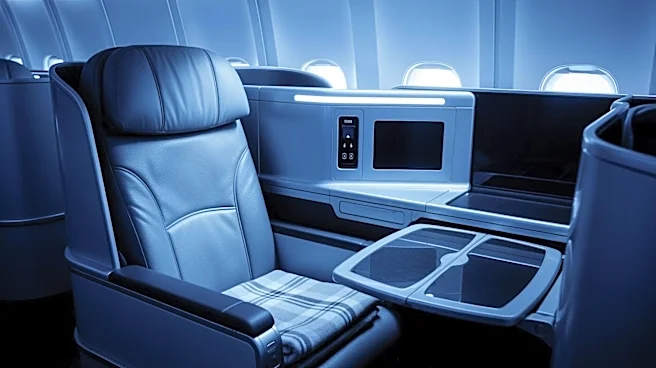
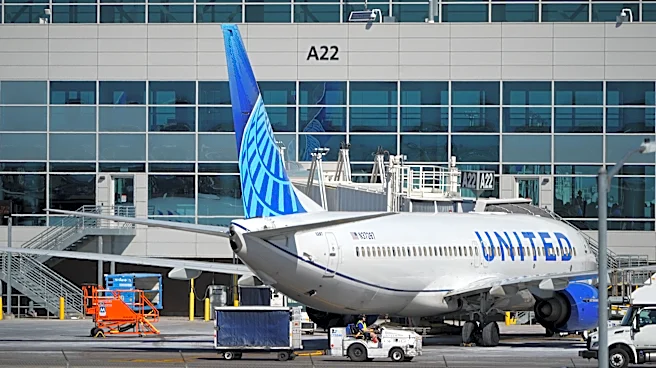
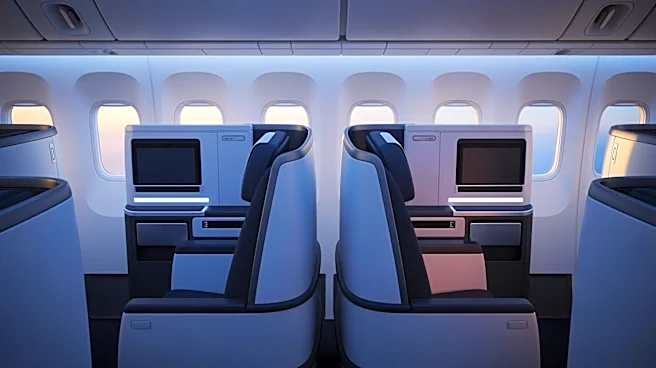
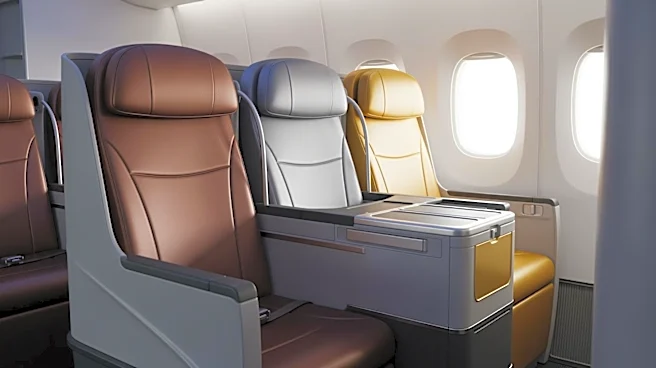
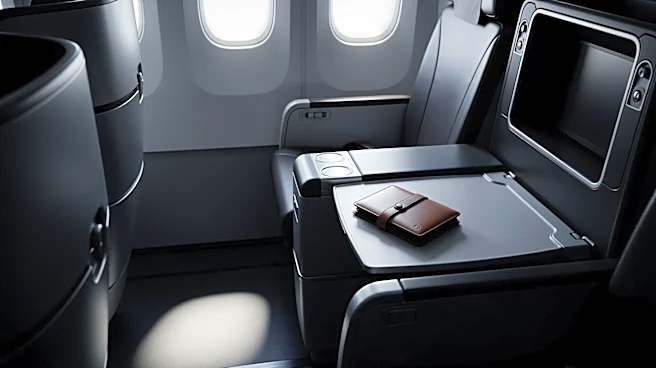
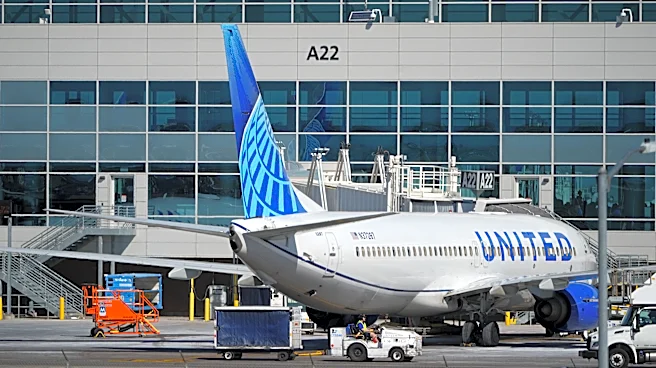
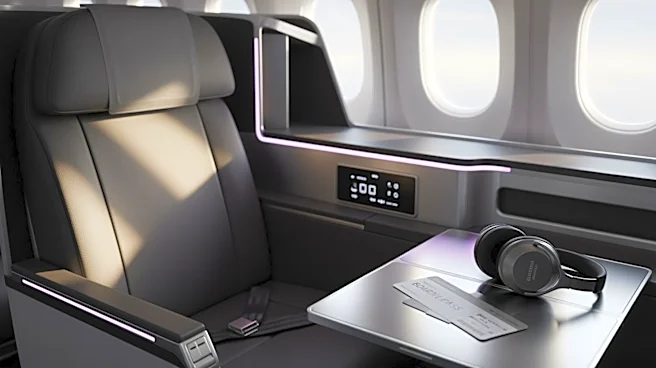
United Airlines has announced a significant change to its fare structure by introducing a tiered pricing model across its premium cabins, including a new 'basic' option in its Polaris business class. This change, set to begin in April 2026, will affect
long-haul international, transcontinental, and select Hawaii routes. The new basic fare will offer fewer inclusions, such as charging extra for seat selection and limiting passengers to one complimentary checked bag. Additionally, these fares will not allow ticket changes or refunds, and access to Polaris Lounges will be restricted, although United Club entry remains available. This move is part of a broader trend in the airline industry to segment revenue more precisely and cater to both cost-conscious travelers and high-paying customers within the same cabin.
Why It's Important?
The introduction of a basic business class fare by United Airlines reflects a significant shift in the airline industry towards more segmented pricing strategies. This change is likely to impact travelers who may find themselves paying more for services that were previously included in the base fare. The move mirrors the evolution of basic economy fares, where reduced perks often lead travelers to opt for more expensive options. This strategy is particularly relevant as premium leisure travel demand remains strong, while corporate travel has not fully recovered. By targeting individuals willing to pay for comfort but sensitive to pricing, United aims to capture a broader market. The new fare model could influence other major U.S. carriers to adopt similar structures, potentially leading to widespread changes in how premium travel is sold.
What's Next?
As United Airlines rolls out its new fare structure, other major U.S. carriers are expected to follow suit to remain competitive. This could lead to a more modular approach to business class tickets, where passengers will need to pay closer attention to fare conditions. The rollout also presents operational challenges, particularly for international routes involving airline partnerships, as coordination across alliances will be necessary to maintain consistency in pricing and benefits. Additionally, while award tickets are not initially affected, future changes to loyalty redemptions may occur as United continues to refine its pricing strategy.