



What's Happening?
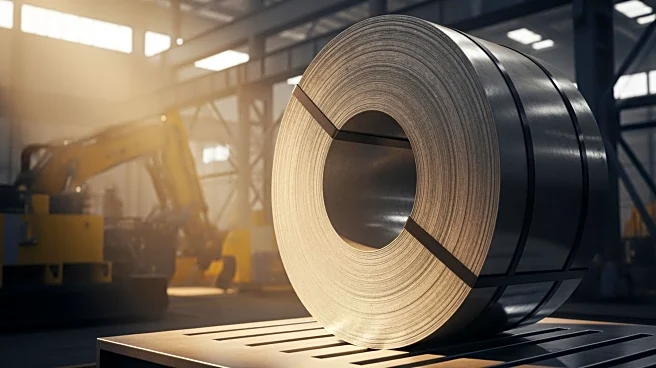
U.S. Steel, now a subsidiary of Japan's Nippon Steel following a $14.9 billion acquisition, is set to restart a blast furnace at its Granite City Works in Illinois. This move reverses previous plans to wind down operations at the site. The restart is driven by rising customer demand and is expected to create approximately 400 jobs, increasing total employment at the site to around 1,200. The furnace is anticipated to be fully operational by the first half of 2026. This development is part of a broader strategy by Nippon Steel to leverage U.S. Steel's capabilities and meet anticipated demand in 2026.
Why It's Important?
The restart of the Granite City plant is significant as it reflects a strategic shift under Nippon Steel's ownership, emphasizing the importance
of U.S. operations in its global strategy. The move is seen as a vote of confidence in the U.S. steel market, suggesting a recovery in demand and prices. Additionally, it highlights the political and strategic dimensions of U.S. Steel's operations, given the U.S. government's involvement through a 'golden share' that allows it to influence key decisions. This development underscores the complex interplay between business strategy, political considerations, and market dynamics in the steel industry.
What's Next?
Looking ahead, U.S. Steel's operations will likely continue to be influenced by both market conditions and political factors. The company's commitment to invest $11 billion in U.S. facilities by 2028, as part of a broader $14 billion investment plan by Nippon Steel, will be closely watched. This investment is expected to modernize facilities and expand capacity, potentially leading to further job creation and economic benefits. However, the involvement of the U.S. government in operational decisions could also introduce additional complexities, particularly in terms of balancing commercial objectives with national security considerations.
Beyond the Headlines
The restart of the Granite City plant also highlights broader implications for the U.S. steel industry and its workforce. The decision to bring the plant back online is not only a response to market demand but also a reflection of the strategic importance of maintaining domestic steel production capabilities. This move could set a precedent for how foreign ownership of U.S. assets is managed, particularly in industries deemed critical to national security. The involvement of the U.S. government through the 'golden share' mechanism may influence future foreign investments and acquisitions in strategic sectors.