
What's Happening?
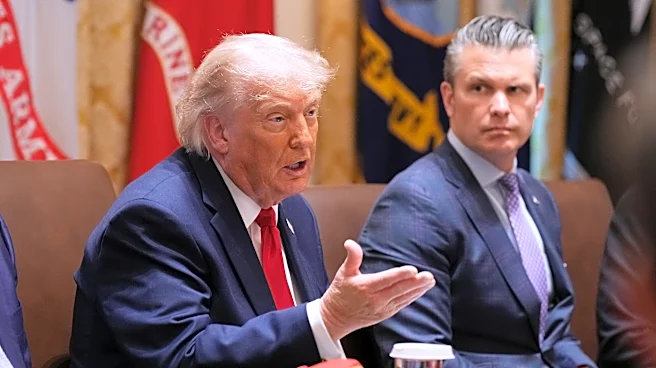
President Donald J. Trump has signed a proclamation adjusting tariffs on steel, aluminum, and copper imports to bolster domestic manufacturing and address national security threats. The adjustments include
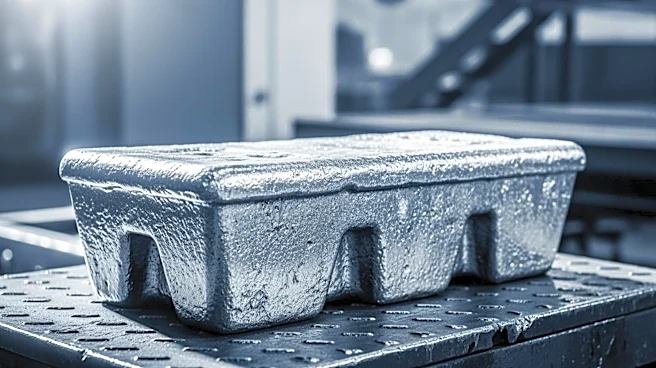
reducing tariffs on agricultural and industrial equipment from 25% to 15% and encouraging foreign companies to use more U.S. steel and aluminum by offering a 10% duty rate if their equipment includes a significant portion of U.S.-sourced materials. These changes are intended to spur investment in American agriculture, housing, and manufacturing, with the tariffs set to remain in place until December 31, 2027. The proclamation aims to strengthen critical American industries and ensure domestic producers can compete with foreign imports.
Why It's Important?
The tariff adjustments are significant for the U.S. manufacturing sector, as they aim to protect and revitalize domestic industries by leveling the playing field against low-priced foreign imports. By incentivizing the use of U.S.-sourced materials, the policy supports American jobs and economic growth. The move is part of a broader strategy to enhance national security by reducing reliance on foreign metals and fostering self-sufficiency in strategic industries. The changes could lead to increased investment in U.S. manufacturing infrastructure, potentially creating new jobs and boosting economic resilience.
What's Next?
The implementation of these tariff adjustments is expected to lead to increased investment in U.S. manufacturing, particularly in the steel, aluminum, and copper sectors. Companies may expand their operations to take advantage of the new tariff structure, potentially leading to job creation and economic growth. The policy's success will depend on the response from foreign companies and their willingness to adapt to the new requirements. Additionally, the temporary nature of the tariffs suggests that further adjustments could be made based on the policy's impact on domestic industries and national security.