
What's Happening?
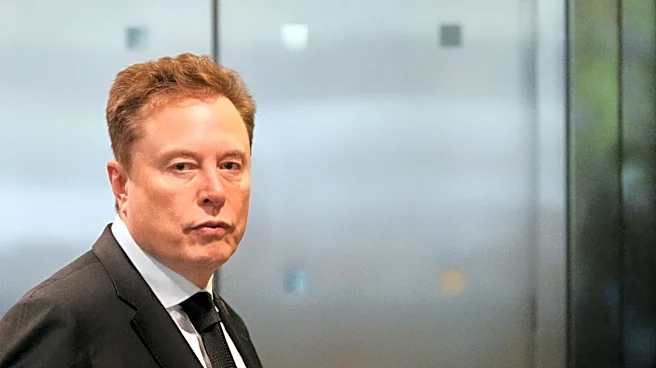
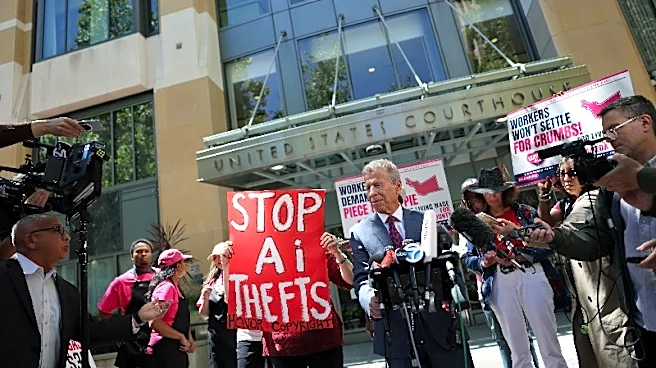
Elon Musk's lawsuit against OpenAI CEO Sam Altman has been dismissed by a jury and District Judge Yvonne Gonzalez Rogers due to the statute of limitations. Musk had filed the lawsuit in 2024, claiming
that OpenAI's transition from a nonprofit to a for-profit entity constituted unjust enrichment and a breach of charitable trust. Musk, a co-founder and former donor of OpenAI, parted ways with the company in 2018 after a disagreement over control. The jury found that the claims were untimely, and the judge concurred, leading to the dismissal of the case. Microsoft, a significant investor in OpenAI, was also named in Musk's complaint but welcomed the decision to dismiss the claims.
Why It's Important?
The dismissal of Musk's lawsuit underscores the legal complexities involved in corporate restructuring, especially when transitioning from nonprofit to for-profit models. This case highlights the challenges faced by founders and investors in maintaining control and influence over the direction of tech companies. The decision also sets a precedent for how similar cases might be handled in the future, potentially affecting the strategies of other tech entrepreneurs and investors. For Microsoft, the outcome is significant as it maintains its investment in OpenAI without the legal cloud of Musk's claims, allowing it to continue its strategic partnership with the AI company.
What's Next?
Elon Musk has announced plans to appeal the decision with the Ninth Circuit, indicating that the legal battle may continue. This appeal could further explore the legal boundaries of corporate governance and the rights of founders in tech companies. The outcome of the appeal could have implications for other tech firms considering similar structural changes. Meanwhile, OpenAI and Microsoft are likely to continue their collaboration, focusing on AI advancements without the immediate distraction of this lawsuit.