



What's Happening?
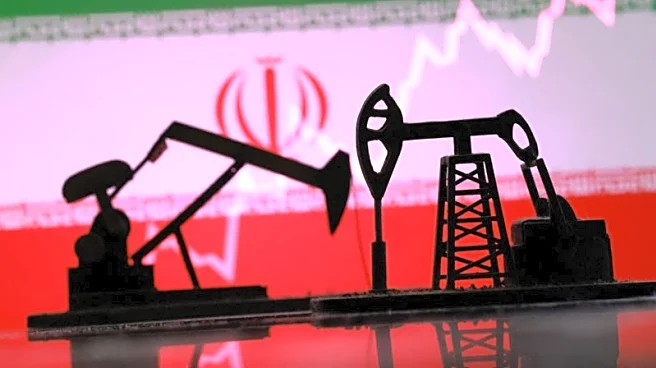
The U.S. stock market is bracing for a volatile week as investors navigate the ongoing conflict between the U.S. and Iran, which has significantly impacted global oil prices. The closure of the Strait of Hormuz, a critical passage for global oil supply,
has led to a spike in energy costs, affecting both consumers and businesses. The Trump administration has announced a $20 billion reinsurance program to facilitate the safe passage of oil tankers, aiming to stabilize the situation. Additionally, key economic reports, including the February Consumer Price Index (CPI) and the Job Openings and Labor Turnover Survey (JOLTS), are expected to provide insights into inflation and labor market conditions. These developments occur against a backdrop of concerns over stagflation, as rising oil prices and a weak February payroll report suggest potential economic challenges.
Why It's Important?
The current geopolitical tensions and economic indicators are crucial for understanding the U.S. economic landscape. The conflict in Iran has direct implications for energy prices, which can lead to increased inflation and affect consumer spending. The potential for stagflation, where inflation rises alongside unemployment, poses a significant challenge for the Federal Reserve's monetary policy. Investors are closely monitoring these developments, as they could influence corporate earnings and market stability. The situation also highlights the interconnectedness of global economies, with China's reliance on Persian Gulf oil underscoring the broader impact of the conflict. The upcoming economic reports will be pivotal in shaping market expectations and guiding policy decisions.
What's Next?
Investors and policymakers will be closely watching the reopening of the Strait of Hormuz and the effectiveness of the U.S. reinsurance program. The release of the CPI and JOLTS reports will provide further clarity on inflation trends and labor market conditions, influencing Federal Reserve policy. Market participants will also be attentive to corporate earnings reports, particularly from retailers, to gauge consumer spending behavior amid rising energy costs. The potential for further geopolitical developments, such as China's response to the situation, could also have significant implications for global trade and economic stability.