

What's Happening?
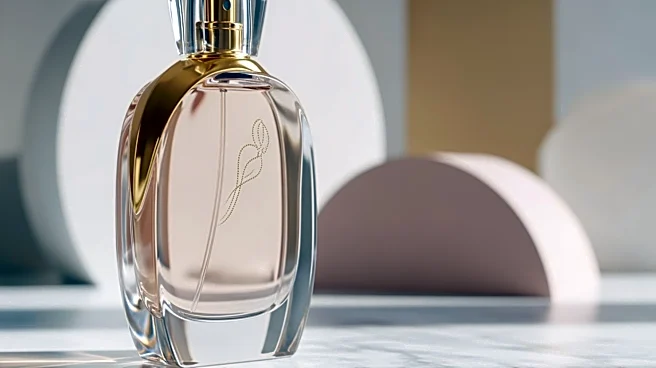
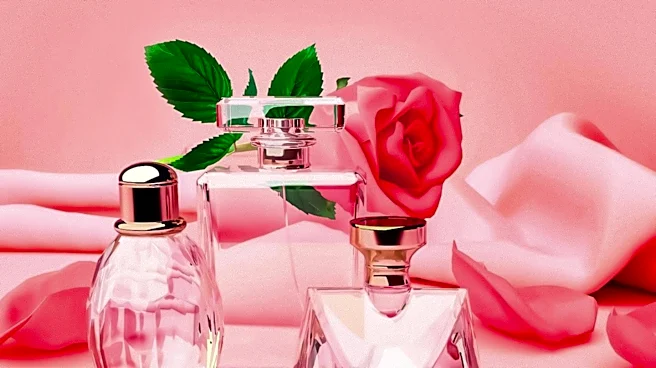
The fragrance industry is experiencing a shift as consumers move away from the traditional concept of a 'signature scent' towards a more personalized 'fragrance wardrobe.' This trend is highlighted by brands like L’Epoque Parfums, which promotes the idea
of changing scents according to one's mood. Rachel Green, founder of L’Epoque Parfums, likens this trend to the variety found in a lip gloss collection, where subtle differences cater to different moods and occasions. The brand offers smaller 30ml bottles to encourage consumers to explore different scents without long-term commitment. This approach contrasts with the traditional idea of a single, lifelong fragrance that defines one's personal brand. Despite this shift, there remains a loyal segment of consumers who prefer sticking to a single scent, citing reasons such as consistency and the compliments they receive.
Why It's Important?
This shift in consumer behavior reflects broader changes in how personal identity and expression are perceived. The move towards a fragrance wardrobe allows for greater flexibility and personalization, aligning with contemporary trends in fashion and lifestyle that emphasize individuality and change. For the fragrance industry, this trend could lead to increased sales as consumers purchase multiple scents rather than a single signature fragrance. Retailers and brands may need to adapt their marketing strategies to cater to this demand for variety and personalization. Additionally, the trend underscores the importance of emotional and sensory experiences in consumer decision-making, as fragrances are closely linked to memory and emotion.
What's Next?
As the trend towards fragrance wardrobes gains momentum, more brands may introduce smaller, more affordable fragrance options to encourage experimentation. Retailers might also enhance in-store experiences to allow consumers to explore and discover new scents. The industry could see an increase in collaborations with influencers and social media platforms to promote the idea of a fragrance wardrobe. Additionally, there may be a rise in personalized fragrance services, where consumers can create custom scents tailored to their preferences. This evolution in consumer preferences could also lead to innovations in fragrance technology and packaging.
Beyond the Headlines
The shift towards a fragrance wardrobe could have deeper cultural implications, reflecting a move away from rigid identity markers towards more fluid and dynamic expressions of self. This trend may also influence other sectors, such as fashion and beauty, where personalization and customization are becoming increasingly important. The emphasis on mood-based scent selection highlights the growing consumer desire for products that enhance well-being and emotional health. Furthermore, this trend could lead to discussions about sustainability, as smaller bottles and varied purchases might impact packaging and production practices in the fragrance industry.