




What's Happening?
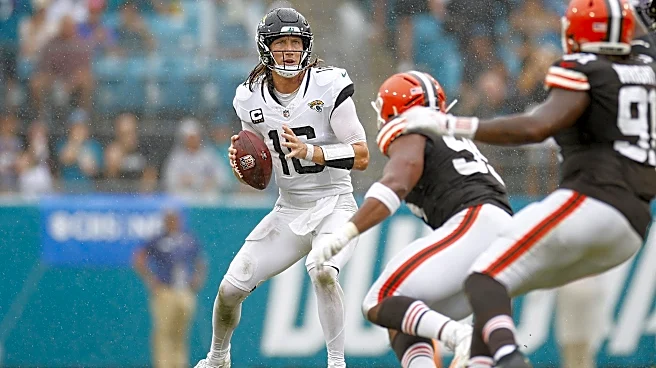
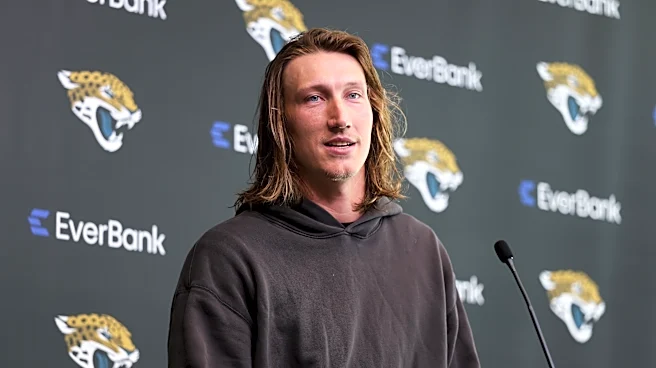
In a recent development during the 2026 NFL offseason, it has been revealed that Jacksonville Jaguars quarterback Trevor Lawrence did not actually cut his hair for the team's schedule-release video. The video, which initially led viewers to believe that Lawrence had
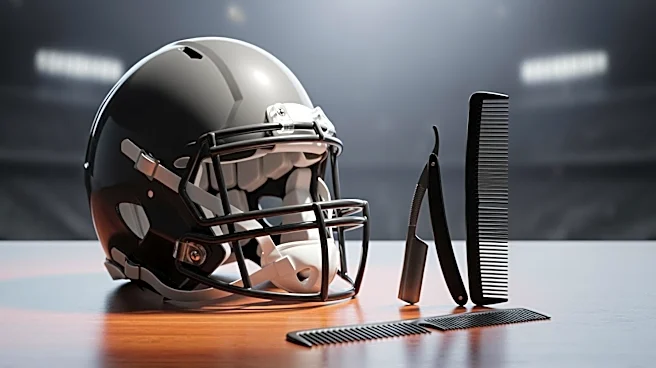
undergone a significant haircut, was later clarified to have used a wig as a prop. This marks the second instance in the offseason where Lawrence's hair has been the subject of public speculation, following an AI-generated image that previously misled some fans. The use of a wig in the video was a deliberate choice to create a humorous and surprising effect, playing on the public's fascination with Lawrence's long hair, which has become a notable aspect of his public persona.
Why It's Important?
The incident highlights the growing use of digital and traditional media techniques in sports marketing and fan engagement. By leveraging a playful narrative around a well-known athlete's appearance, the Jaguars have successfully captured public attention and generated buzz around their schedule release. This approach underscores the importance of creative storytelling in sports media, where teams and players increasingly use humor and surprise to connect with fans. The use of props and digital manipulation also reflects broader trends in media consumption, where audiences are both entertained and occasionally misled by visual content. For the Jaguars, this strategy may enhance fan loyalty and engagement, contributing to the team's brand visibility and marketability.
What's Next?
While the current incident was a lighthearted marketing tactic, it raises questions about the future use of similar strategies in sports media. As teams continue to explore innovative ways to engage with fans, there may be increased scrutiny on the ethical implications of using misleading visuals, even in jest. Stakeholders in the sports industry, including teams, leagues, and media outlets, may need to consider guidelines for transparency and authenticity in their content. Additionally, fans may become more discerning and skeptical of visual narratives, prompting teams to balance creativity with credibility in their communications.