









What's Happening?
The U.S. producer price index experienced a significant increase in May, marking the largest annual gain since November 2022. This surge is primarily attributed to a dramatic rise in energy prices following the onset of the Iran war. According to the Labor
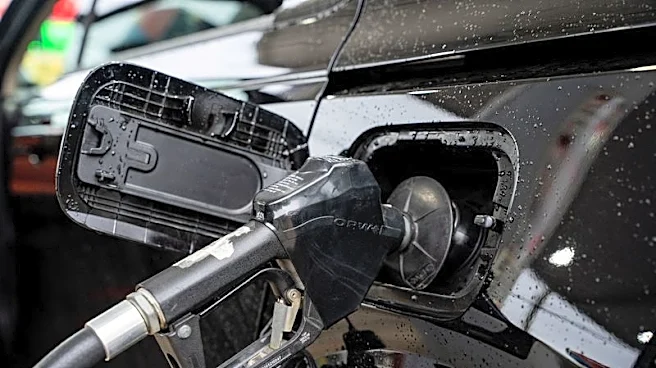
Department, the index rose by 6.5% from May 2025 and 1.1% from April. Wholesale gasoline prices saw a substantial increase of over 23% from April to May and nearly 70% from the previous year. The energy shock has intensified inflationary pressures, which are becoming a major concern for Americans as midterm elections approach. Despite recent declines, gasoline prices have remained above $4 per gallon since March, coinciding with the start of the U.S. driving season, which typically drives prices higher.
Why It's Important?
The spike in producer prices is a critical indicator of inflationary trends that could impact the broader U.S. economy. As these prices often precede consumer inflation, the current rise suggests that consumers may soon face higher costs for goods and services. This situation poses a challenge for the Federal Reserve, which aims to maintain inflation at a 2% target. The central bank is expected to keep interest rates unchanged in its upcoming meeting, but there is speculation that rates could be increased by the end of the year to curb inflation. The energy price surge, exacerbated by geopolitical tensions, particularly affects industries reliant on fuel, potentially leading to increased operational costs and reduced profit margins.
What's Next?
The Federal Reserve's response to the rising inflation will be closely watched, with potential interest rate hikes on the horizon. Additionally, the ongoing geopolitical tensions in the Middle East, particularly the closure of the Strait of Hormuz by Iran, continue to threaten global oil supplies. This could lead to further disruptions and price increases, affecting U.S. crude oil inventories and refining systems. As the summer driving season progresses, the demand for gasoline is expected to rise, potentially exacerbating the situation. Stakeholders, including policymakers and industry leaders, will need to navigate these challenges to mitigate economic impacts.
Beyond the Headlines
The current economic situation highlights the vulnerability of global supply chains to geopolitical events. The disruption in oil supplies underscores the need for diversified energy sources and increased investment in renewable energy to reduce dependency on volatile regions. Additionally, the inflationary pressures could influence political dynamics, as economic conditions often play a significant role in electoral outcomes. The situation also raises ethical considerations regarding energy security and the environmental impact of increased fossil fuel consumption.