




What's Happening?
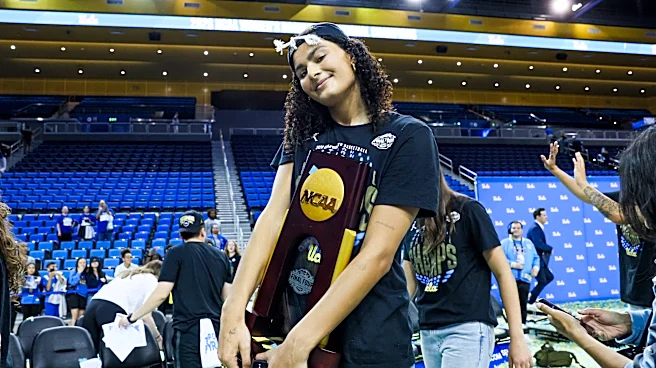
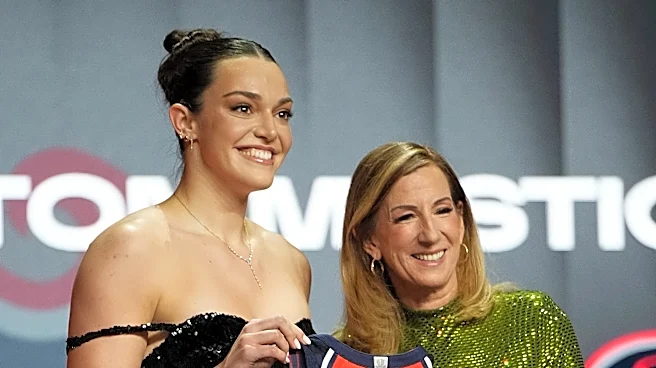
UCLA's women's basketball team made history during the 2026 WNBA Draft by having six players selected, including five in the first round. This achievement marks a significant milestone for the program, as it is the first time a team has had five first-round
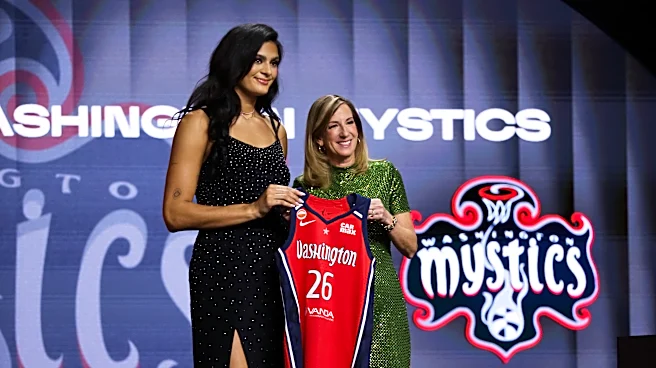
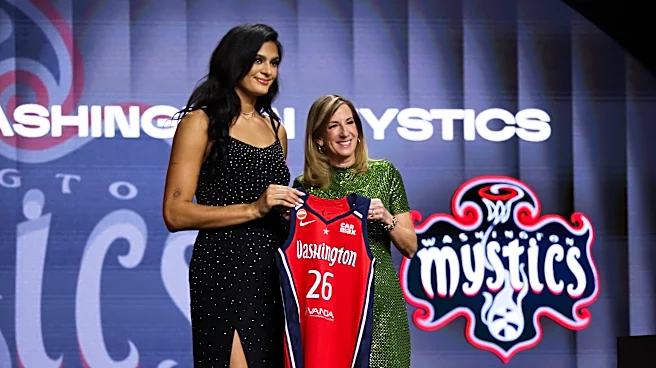
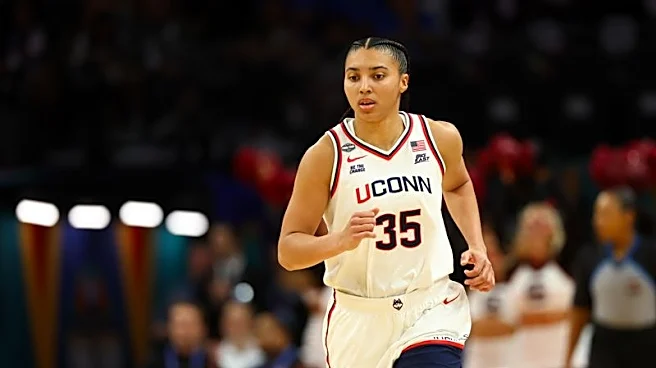
picks and six players selected in a single draft. Lauren Betts was the first UCLA player picked, going fourth overall to the Washington Mystics. Gabriela Jaquez, Kiki Rice, Angela Dugalic, and Gianna Kneepkens followed in the first round, while Charlisse Leger-Walker was selected in the second round by the Connecticut Sun. UCLA's head coach, Cori Close, can now leverage this success to attract recruits by showcasing her ability to develop WNBA prospects.
Why It's Important?
The record-setting draft performance by UCLA underscores the strength and development of its women's basketball program. This achievement not only enhances the program's reputation but also positions UCLA as a desirable destination for top recruits seeking to advance to professional basketball. The success of these players in the WNBA could further elevate the visibility and prestige of UCLA's program, potentially leading to increased support and investment in women's sports at the university level. Additionally, the draft results highlight the growing competitiveness and talent within women's college basketball, contributing to the sport's overall growth and popularity.
What's Next?
With the transfer portal still open, UCLA's head coach Cori Close faces the challenge of replacing her top six scorers. The program's recent success in the draft will likely aid in recruiting efforts, as prospective players may be drawn to the opportunity to develop into professional athletes. The selected players will now transition to their respective WNBA teams, where they will aim to make an impact and further their careers. The draft results may also influence other college programs to enhance their development strategies to compete at a higher level.
Beyond the Headlines
The historic draft for UCLA could have broader implications for women's sports, particularly in terms of visibility and investment. As more college programs produce professional-level talent, there may be increased pressure on universities to allocate resources and support to women's athletics. This shift could lead to more equitable treatment and opportunities for female athletes, fostering a more inclusive sports environment. Additionally, the success of these players in the WNBA could inspire young athletes and contribute to the growing interest in women's basketball.