





What's Happening?
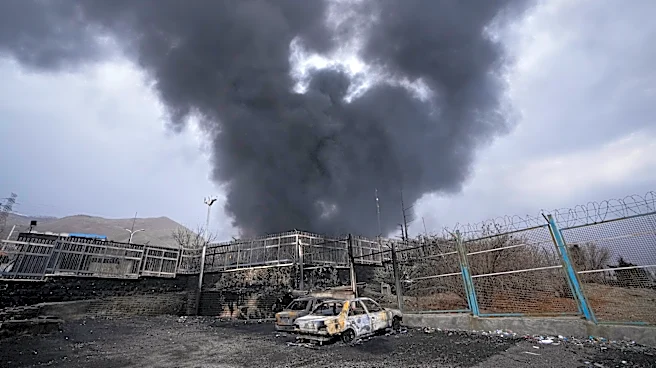
The global economy is experiencing a surge in oil prices due to recent conflicts in the Middle East, reminiscent of the 1970s oil shocks. However, the impact is less severe now due to decades of strategic adjustments. Countries have increased energy efficiency,
reduced reliance on Middle Eastern oil, and developed alternative energy sources. The U.S., in particular, has become a net petroleum exporter, thanks to advancements like fracking. Despite these measures, the current situation still poses challenges, with significant disruptions in oil supply due to geopolitical tensions.
Why It's Important?
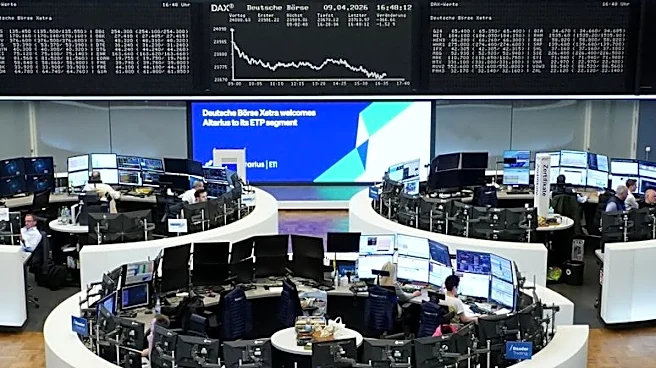
The current oil shock underscores the importance of energy diversification and strategic reserves. While the U.S. and other countries have made significant strides in reducing vulnerability to oil supply disruptions, the reliance on petroleum remains a critical issue. The situation highlights the ongoing need for policies that promote energy independence and the development of renewable energy sources. The economic implications are significant, affecting fuel prices and inflation, which can have a ripple effect on global markets and economies.
What's Next?
In response to the current crisis, countries may accelerate efforts to further diversify energy sources and enhance energy security. This could involve increased investment in renewable energy technologies and infrastructure. Additionally, there may be renewed discussions on international cooperation to stabilize oil markets and prevent future shocks. Policymakers will need to balance short-term economic pressures with long-term sustainability goals to ensure energy resilience.