



What's Happening?
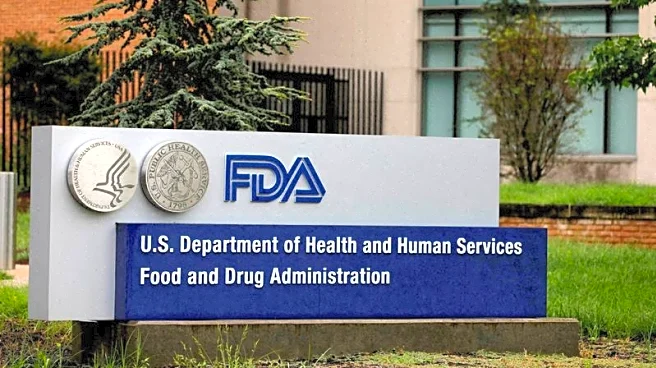
Johnson & Johnson has received FDA approval for its oral IL-23 inhibitor, icotrokinra, marketed under the brand name Icotyde, as a first-line treatment for moderate-to-severe plaque psoriasis. This approval marks the first oral IL-23-targeting drug available
for patients aged 12 and over who are candidates for systemic therapy or phototherapy. The drug is expected to have blockbuster potential, combining a biological mechanism used in injectable therapies with the convenience of a once-daily pill. J&J's head of innovative medicines R&D, John Reed, highlighted the drug's potential to redefine psoriasis treatment. Analysts predict significant sales growth, with phase 3 studies underway for additional indications such as psoriatic arthritis and ulcerative colitis.
Why It's Important?
The approval of icotrokinra represents a significant advancement in psoriasis treatment, offering a new oral option that could improve patient compliance and outcomes. This development is crucial for the pharmaceutical industry, as it introduces a novel treatment method that could capture a substantial market share. The drug's success could lead to increased competition among pharmaceutical companies, driving innovation and potentially lowering costs for patients. Additionally, the expansion of treatment options for psoriasis and related conditions could improve the quality of life for millions of patients, highlighting the importance of continued research and development in the field of immunology.
What's Next?
Johnson & Johnson plans to further explore the potential of icotrokinra by conducting phase 3 studies for psoriatic arthritis and ulcerative colitis, as well as a mid-stage trial for Crohn's disease. The company has not yet announced a launch date or pricing for Icotyde, but its success in these additional indications could significantly boost its market presence. As the drug enters the market, J&J will likely focus on securing payer access and overcoming reimbursement challenges to ensure widespread availability. The pharmaceutical industry will be closely monitoring the drug's performance and its impact on the competitive landscape.