





What's Happening?
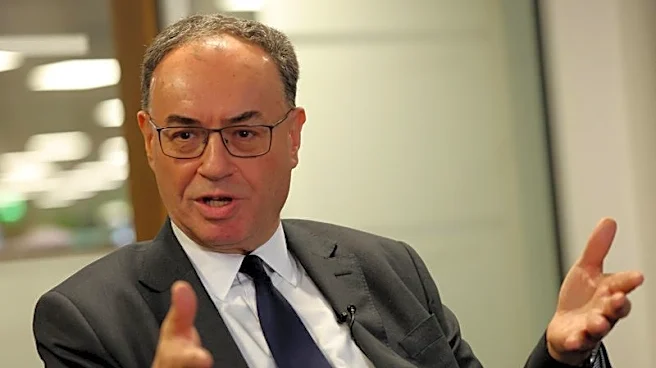
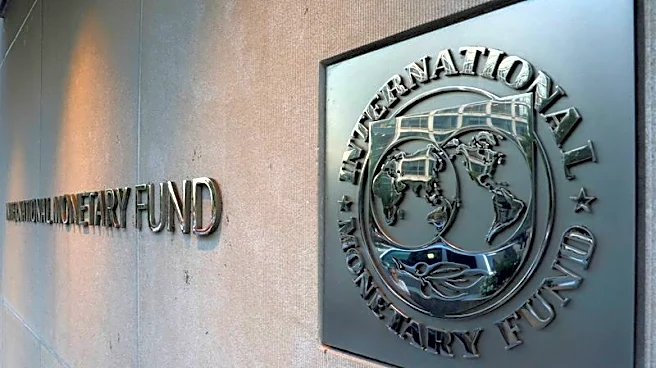
Bank of England Governor Andrew Bailey has expressed concerns over the slow progress in establishing international standards for stablecoins, which are cryptocurrencies pegged to fiat currencies like the U.S. dollar. Speaking at the International Monetary
Fund’s Spring Meetings, Bailey emphasized the importance of having global standards to ensure the 'assured value' of stablecoins, meaning they can be redeemed at face value. He highlighted the risk of having different rules in different countries, which could lead to regulatory arbitrage, where financial firms might exploit jurisdictions with less stringent regulations. Both the United States and the United Kingdom are advancing their domestic regulations for stablecoins, aiming to leverage the technology while mitigating financial stability risks.
Why It's Important?
The development of international standards for stablecoins is crucial for maintaining financial stability and preventing regulatory arbitrage. Without consistent global regulations, there is a risk that financial firms could exploit differences in national rules, potentially leading to instability in the financial system. The U.S. and U.K.'s efforts to establish domestic rules reflect a broader trend among major economies to harness the benefits of stablecoin technology while safeguarding against potential risks. This situation underscores the need for international cooperation to create a cohesive regulatory framework that can support innovation while protecting the global financial system.
What's Next?
As the U.S. and U.K. continue to develop their domestic stablecoin regulations, the focus will likely shift towards fostering international collaboration to establish global standards. Policymakers and financial institutions may engage in discussions to align their regulatory approaches, aiming to create a unified framework that addresses the challenges posed by stablecoins. The outcome of these efforts could significantly influence the future of digital currencies and their integration into the global financial system. Stakeholders, including governments, financial institutions, and technology companies, will need to work together to ensure that stablecoins can be safely and effectively utilized across borders.