



What's Happening?
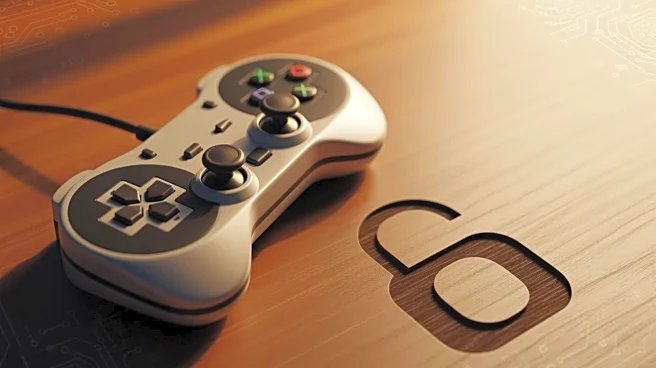
CD Projekt co-founder Michał Kiciński has reacquired the digital PC game store GOG from his former company, CD Projekt. Despite the change in ownership, Kiciński has affirmed that GOG's anti-DRM (Digital Rights Management) policy will remain unchanged. He argues that DRM-free games allow users to enjoy their purchases without restrictions, even if the platform or internet connection fails. Kiciński criticizes DRM as a measure that complicates the experience for legitimate customers rather than effectively preventing piracy. This stance is consistent with CD Projekt's history, as seen when they removed DRM from The Witcher 2 shortly after its release, despite facing a lawsuit from the game's publisher, Bandai Namco.
Why It's Important?
The decision to maintain an
anti-DRM policy is significant in the gaming industry, where DRM is often used to prevent piracy. However, DRM can also restrict legitimate users' access to their purchased content. GOG's stance could influence other digital platforms to reconsider their DRM policies, potentially leading to a more consumer-friendly approach in the industry. This move may attract more customers to GOG, as gamers often prefer platforms that offer more freedom with their purchases. Additionally, it highlights ongoing debates about consumer rights and digital ownership in the gaming sector.