
What's Happening?
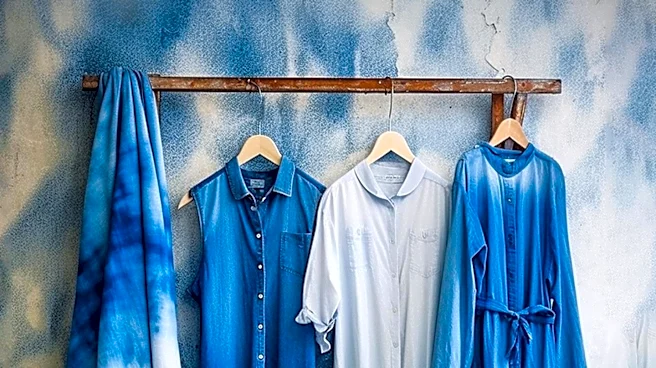
Designer Paula Raia has unveiled her Autumn/Winter 2026 collection, featuring a collaboration with TENCEL, a textile fiber brand under the Lenzing Group, and Canatiba Textil. This partnership introduces five denim pieces, including a jacket, pants, a shirt,
and overalls. The collection is characterized by its playful design, incorporating cutouts in various shades of blue and marbled denim in vibrant colors. This collaboration aims to blend contemporary design with a sense of playfulness, enhancing the collection's modern appeal. The pieces are part of a broader series on SJ Denim from Lenzing’s Carved in Blue denim blog, which highlights innovative denim made with TENCEL Lyocell and Modal.
Why It's Important?
This collaboration signifies a growing trend in the fashion industry towards sustainable and innovative materials. By using TENCEL fibers, known for their eco-friendly properties, the collection aligns with increasing consumer demand for sustainable fashion. This move not only enhances the brand's image but also sets a precedent for other designers to incorporate sustainable practices. The partnership with Canatiba Textil further emphasizes the importance of collaboration in achieving innovative design solutions. As consumers become more environmentally conscious, such initiatives could drive significant changes in production practices across the fashion industry.
What's Next?
The success of this collection could encourage further collaborations between fashion designers and sustainable material producers. As the industry continues to evolve, there may be increased investment in research and development of new sustainable materials. Additionally, consumer response to this collection could influence future design trends, pushing more brands to adopt eco-friendly practices. The fashion industry may also see a rise in educational initiatives aimed at promoting sustainability among designers and consumers alike.
Beyond the Headlines
This collaboration highlights the cultural shift towards sustainability in fashion, reflecting broader societal changes. The use of TENCEL fibers not only addresses environmental concerns but also offers a sensory experience through its unique texture and aesthetic. This development could lead to a reevaluation of traditional materials and production methods, encouraging a more holistic approach to fashion design. As sustainability becomes a central theme, it may also influence other industries to adopt similar practices, contributing to a more sustainable future.