


What's Happening?
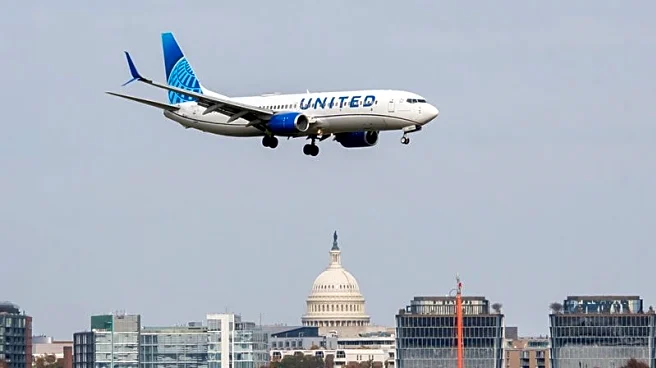
United Airlines, led by CEO Scott Kirby, has announced a reduction of approximately 5% in its flight schedule in response to soaring oil prices, which have been exacerbated by the ongoing conflict in the Middle East. The airline plans to cancel about
3% of its flights during off-peak periods, such as red-eye and midweek services, and reduce capacity at Chicago O'Hare International Airport. Additionally, United has suspended services to Tel Aviv and Dubai, contributing to the overall reduction. The decision comes as oil prices have surged, with Brent crude holding above $108 per barrel, driven by shipping slowdowns and heightened risks in the Persian Gulf's Strait of Hormuz. Kirby indicated that if oil prices remain high, it could result in an additional $11 billion in annual jet fuel expenses for the airline.
Why It's Important?
The reduction in United Airlines' flight schedule highlights the significant impact of geopolitical tensions on the aviation industry and global energy markets. The soaring oil prices, driven by the conflict in the Middle East, pose a substantial financial challenge for airlines, which rely heavily on fuel. This situation underscores the vulnerability of the aviation sector to external economic and political factors. The decision to cut flights could affect passengers, particularly those traveling during off-peak times, and may lead to increased ticket prices as airlines attempt to manage costs. Furthermore, the suspension of services to key international destinations like Tel Aviv and Dubai reflects the broader implications of the conflict on international travel and trade.
What's Next?
United Airlines plans to restore its full flight schedule by the fall, assuming oil prices stabilize. The airline's strategy involves tactically managing its schedule to minimize losses from unprofitable flights due to high fuel costs. Meanwhile, the U.S. Treasury Department has temporarily authorized the purchase of Iranian oil stranded at sea, a move that could potentially ease some pressure on energy supplies. However, the long-term impact on domestic oil and gas prices remains uncertain. The aviation industry will be closely monitoring developments in the Middle East and any changes in oil prices, as these factors will significantly influence operational decisions and financial performance.