




What's Happening?
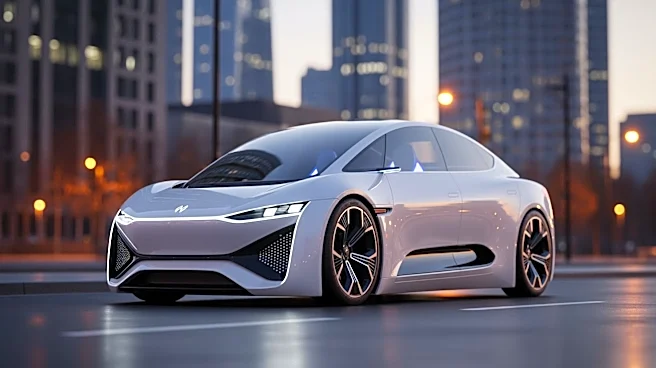
Uber and Nuro have begun testing a premium robotaxi service in San Francisco using Lucid Gravity SUVs equipped with Nuro's autonomous vehicle system. This testing phase involves select Uber employees who can request rides through the Uber app. The vehicles
operate in autonomous mode with a human safety operator present. This development follows Uber's $300 million investment in Lucid and a separate multi-hundred-million-dollar investment in Nuro. The partnership aims to deploy at least 20,000 Lucid Gravity SUVs over the next six years, with production expected to start in late 2026.
Why It's Important?
The testing of a premium robotaxi service by Uber and Nuro represents a significant step forward in the development of autonomous ride-hailing technology. This initiative could revolutionize urban transportation by reducing the need for human drivers and potentially lowering costs for consumers. The collaboration between Uber, Nuro, and Lucid highlights the growing interest and investment in autonomous vehicle technology. Successful implementation could lead to widespread adoption of robotaxis, impacting the traditional taxi and rideshare industries and prompting regulatory and infrastructure changes in cities.
What's Next?
As testing continues, Uber and Nuro will evaluate the performance of the autonomous vehicles in real-world conditions, focusing on rider experience and vehicle handling during pickups and drop-offs. The companies plan to launch the service to the public later this year. The success of this initiative could influence other cities to adopt similar technologies, leading to increased competition in the autonomous vehicle market. Regulatory bodies may also need to address safety and operational standards for autonomous ride-hailing services.