









What's Happening?
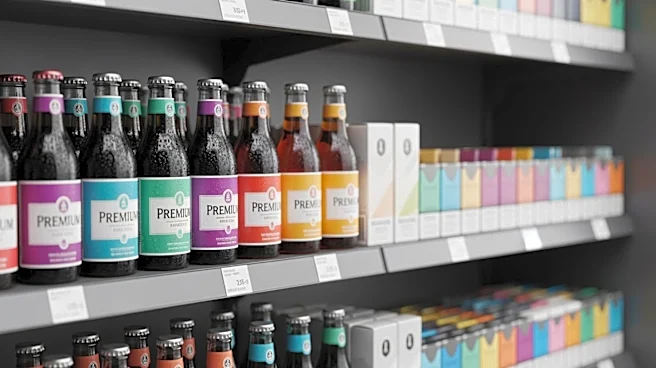
Convenience stores across the United States are experiencing significant growth in specific product categories, particularly nicotine and packaged beverages. Yesway, a convenience-store chain based in Fort Worth, Texas, identified these categories as delivering
'outsized performance' in the first quarter of 2026. During a recent earnings call, Yesway CFO Ericka Ayles highlighted that vendor funding in nicotine products has allowed customers to trade up from lower-tier cigarette brands. Similarly, Casey’s General Stores, ranked third in CSP’s 2026 Top 202 U.S. c-store chains, reported a 5.1% increase in same-store grocery and general merchandise sales, with a notable contribution from nicotine and nicotine alternatives. The company’s CFO, Stephen P. Bramlage, noted that the shift from traditional cigarettes to nicotine alternatives has been beneficial for margins, as these alternatives offer a higher profit margin.
Why It's Important?
The growth in nicotine and beverage sales at convenience stores reflects broader consumer trends and has significant implications for the retail industry. As consumers increasingly shift from traditional cigarettes to nicotine alternatives, retailers are adapting their product offerings to meet this demand, which in turn boosts their profit margins. This trend is particularly important for convenience stores, which rely heavily on high-margin products to drive profitability. The success of these categories also underscores the importance of strategic product placement and vendor partnerships in retail operations. For the U.S. economy, this shift could signal a broader move towards healthier lifestyle choices, as nicotine alternatives are often perceived as less harmful than traditional cigarettes.
What's Next?
Convenience stores are likely to continue expanding their offerings of nicotine alternatives and other high-margin products to capitalize on these trends. Retailers may also explore new partnerships with vendors to secure better pricing and product availability. As consumer preferences evolve, convenience stores will need to remain agile in their product strategies to maintain growth. Additionally, regulatory changes in the nicotine industry could impact future sales, prompting retailers to adjust their strategies accordingly.