





What's Happening?
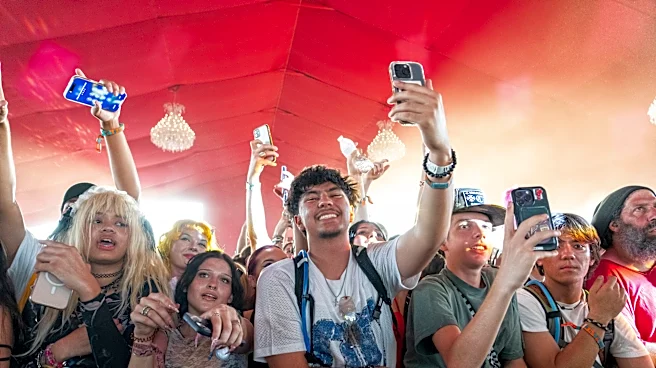
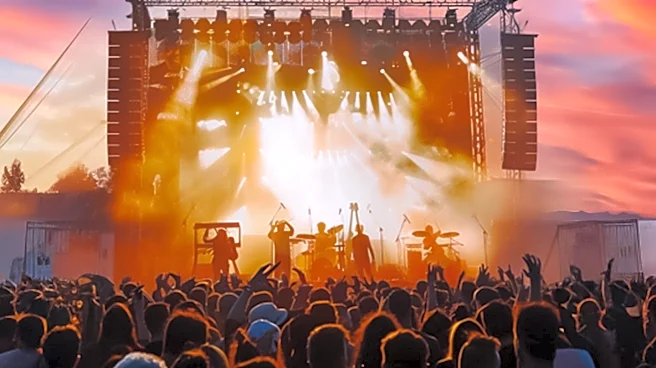
Coachella 2026 has evolved from a musical festival into a strategic battleground for brands across beauty, wellness, fashion, food, and tech sectors, aiming to capture consumer engagement through influencer marketing. According to Alex Rawitz, director
of research and insights at Creator IQ, successful creator marketing strategies at Coachella are centered around immersive experiences for creators rather than restrictive advertising guidelines. Brands that prioritize long-term partnerships with creators, treating Coachella as part of an ongoing relationship rather than a standalone event, are expected to perform better. Notable brands like Kourtney Barker’s Lemme, Kylie Jenner’s Drink Sprinter, and Hailey Bieber’s Rhode have effectively leveraged cross-audience exposure through collaborations at the Revolve Festival. The festival has become a hub for indie artists, internet stars, and micro-celebrities, with brands hosting activations, organizing VIP sections, and engaging TikTok influencers to promote their products.
Why It's Important?
The shift in marketing strategies at Coachella highlights the growing importance of influencer culture and creator-led marketing in driving consumer engagement. Brands that invest in long-term relationships with creators can achieve sustained loyalty and better growth metrics compared to those relying on name recognition alone. This trend reflects broader changes in consumer behavior, where audiences seek authentic and engaging content rather than transactional advertising. The emphasis on immersive experiences and genuine partnerships can lead to increased brand visibility and consumer trust, impacting sales and brand reputation positively. As brands adapt to these strategies, they can gain a competitive edge in the crowded marketplace, particularly in sectors like skincare, which has shown significant momentum.
What's Next?
As Coachella 2026 unfolds, brands are expected to continue prioritizing long-term creator partnerships, with a focus on crafting compelling activations that resonate with audiences. The success of brands like Rhode, which benefits from both skincare trends and collaborations with celebrities like Justin and Hailey Bieber, suggests that strategic partnerships can drive significant consumer interest. Brands will likely analyze data from the festival to refine their marketing strategies, aiming to enhance engagement and growth. The evolving landscape may also prompt brands to explore new collaborations and innovative marketing approaches to maintain relevance and capture consumer attention.
Beyond the Headlines
The transformation of Coachella into a marketing platform underscores the cultural shift towards influencer-driven content and the power of social media in shaping consumer preferences. This development raises questions about the authenticity of festival experiences and the potential commercialization of cultural events. As brands navigate this landscape, they must balance promotional activities with genuine engagement to avoid alienating audiences. The focus on long-term partnerships also highlights the ethical considerations of influencer marketing, where transparency and authenticity are crucial for maintaining consumer trust.