





What's Happening?
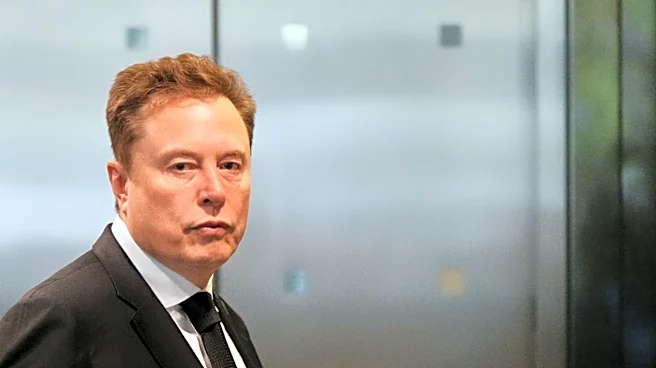
In a recent legal battle, Elon Musk's lawsuit against Sam Altman and OpenAI concluded with a jury ruling in favor of Altman. The case, which revolved around allegations of unjust enrichment and breach of charitable trust, was dismissed on the grounds
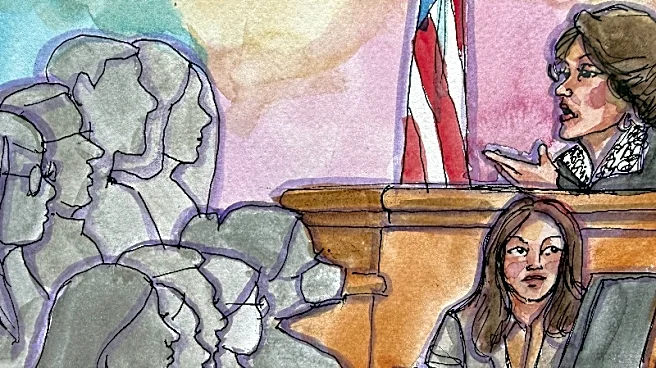
of the statute of limitations. The jury found that Musk's claims were filed too late, as the statute of limitations for the claims had expired. Despite the dismissal, Musk expressed his intention to appeal the decision, arguing that the jury did not rule on the merits of the case but rather on a procedural technicality. The trial, which took place in Oakland, involved numerous witnesses and highlighted the transformation of OpenAI from a nonprofit to a for-profit entity.
Why It's Important?
The outcome of this trial is significant as it underscores the importance of procedural rules in legal disputes, particularly the statute of limitations. For Musk, the ruling represents a setback in his efforts to challenge OpenAI's transition to a for-profit model. The case also highlights the complexities and challenges faced by tech companies as they navigate legal and ethical issues in the rapidly evolving field of artificial intelligence. The decision may impact future legal strategies for tech entrepreneurs and could influence how similar cases are approached in the future.
What's Next?
Musk's decision to appeal the ruling suggests that the legal battle may continue, potentially drawing further public attention to the operations and governance of OpenAI. The appeal process could lead to additional scrutiny of the company's practices and its relationship with major stakeholders. Meanwhile, OpenAI and its leadership may focus on addressing any reputational impacts from the trial and continue their efforts to innovate and expand in the AI sector.