







What's Happening?
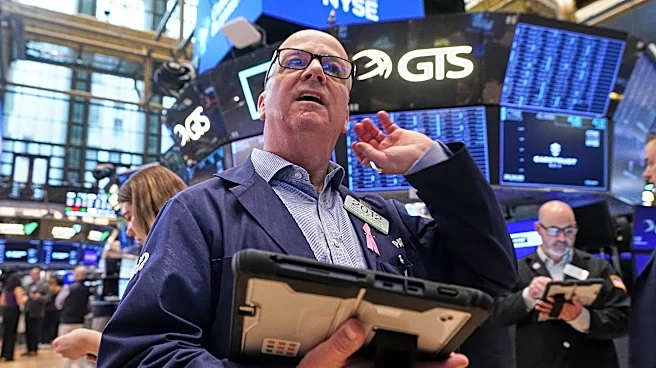
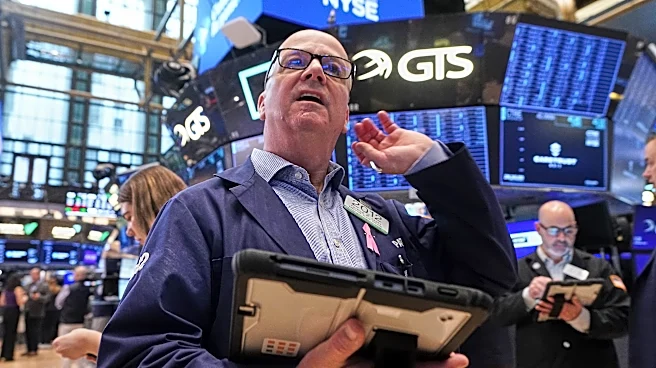
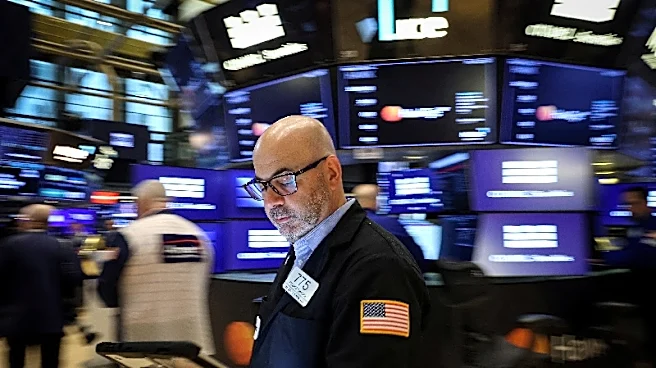
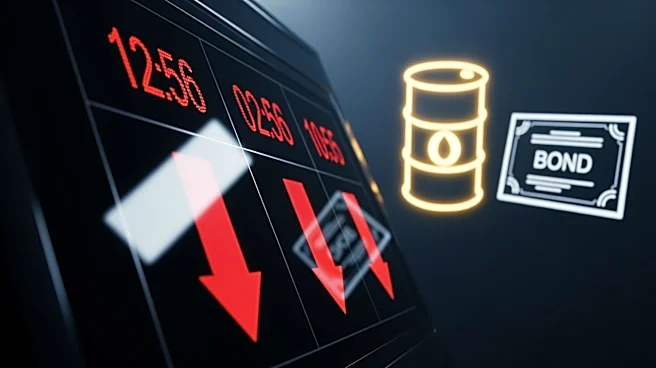
U.S. stock indexes are poised for a higher opening as semiconductor stocks recover and bond market pressures ease. The 10-year Treasury yield, a key indicator of global borrowing costs, has decreased to 4.573% after reaching its highest level since February
2025. This decline follows a surge in oil prices that had previously fueled inflation concerns and elevated borrowing costs. Reports of a potential U.S. waiver on Iranian oil sanctions have contributed to a retreat in oil prices, easing supply disruption fears. The S&P 500 and Nasdaq have recently hit record highs, driven by investor enthusiasm for artificial intelligence, despite inflationary threats from rising oil prices. Traders are now considering a more than 40% chance of a Federal Reserve interest rate hike in January, following recent inflation data.
Why It's Important?
The recovery in semiconductor stocks and the easing of bond market pressures are significant for the U.S. economy, as they reflect investor confidence in technology sectors and a potential stabilization of borrowing costs. The semiconductor industry, particularly companies like Nvidia, plays a crucial role in the tech-driven market rally, with strong demand for AI-related chips boosting stock valuations. The potential U.S. waiver on Iranian oil sanctions could alleviate some inflationary pressures by stabilizing oil supply, impacting consumer prices and economic growth. The Federal Reserve's potential interest rate decisions will be closely watched, as they could influence borrowing costs and investment strategies across various sectors.
What's Next?
Investors will be monitoring upcoming earnings reports from major companies like Nvidia and Walmart, which could provide insights into consumer behavior and economic resilience amid inflationary pressures. Nvidia's performance is particularly anticipated due to its significant role in the AI chip market. Additionally, the Federal Reserve's future interest rate decisions will be critical in shaping market dynamics, as traders adjust their expectations based on economic indicators and inflation trends. The potential U.S. waiver on Iranian oil sanctions will also be a key factor in determining future oil price movements and their impact on inflation.