







What's Happening?
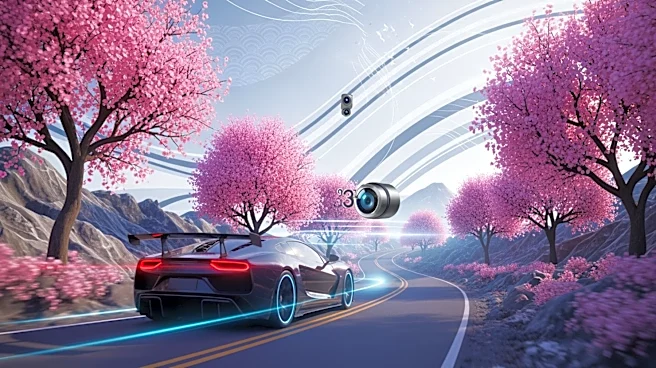
Forza Horizon 6, developed by Playground Games, has taken on the ambitious task of incorporating Japan into its virtual world, emphasizing authenticity and cultural accuracy. The game, known for its open-world driving simulations, has previously featured
locations like Colorado and the UK. For its latest installment, the developers conducted extensive research, including on-site visits, photography, and video captures, to recreate Japan's diverse landscapes and urban settings. Cultural consultant Kyoko Yamashita and other experts were involved to ensure the depiction of Japan's car culture and street-racing scenes was accurate. The game features iconic Japanese cars and roads, such as the Nissan Skyline and the winding mountain roads of the touge racing scene. The developers aimed to move beyond stereotypical portrayals of Japan, offering a more nuanced and detailed representation.
Why It's Important?
The inclusion of Japan in Forza Horizon 6 is significant as it reflects a growing trend in the gaming industry towards cultural sensitivity and authenticity. By engaging cultural consultants and conducting thorough research, Playground Games demonstrates a commitment to respecting and accurately representing the cultures it portrays. This approach not only enhances the gaming experience for players but also sets a precedent for other developers to follow. The game's attention to detail in replicating Japan's car culture and landscapes could attract a broader audience, including those interested in Japanese culture and automotive enthusiasts. Additionally, it highlights the importance of cultural representation in media, which can influence perceptions and understanding of different cultures globally.
What's Next?
As Forza Horizon 6 is released, it will be interesting to observe the reception from both Japanese and international audiences. The game's success could encourage other developers to invest in similar culturally immersive projects. Feedback from players, especially those familiar with Japan, will be crucial in assessing the game's authenticity and impact. The gaming industry may see an increase in collaborations with cultural experts to enhance the accuracy and depth of virtual worlds. Furthermore, the game's portrayal of Japan could influence future media representations, contributing to a more diverse and inclusive portrayal of cultures in entertainment.
Beyond the Headlines
The development of Forza Horizon 6 raises questions about the ethical responsibilities of game developers in representing cultures. By prioritizing cultural accuracy, Playground Games addresses potential criticisms of cultural appropriation and misrepresentation. This approach could lead to a shift in industry standards, where cultural consultation becomes a norm rather than an exception. The game's detailed depiction of Japan also highlights the potential for video games to serve as educational tools, offering players insights into different cultures and traditions. As virtual reality and gaming technology continue to evolve, the line between entertainment and cultural education may become increasingly blurred.