

What's Happening?
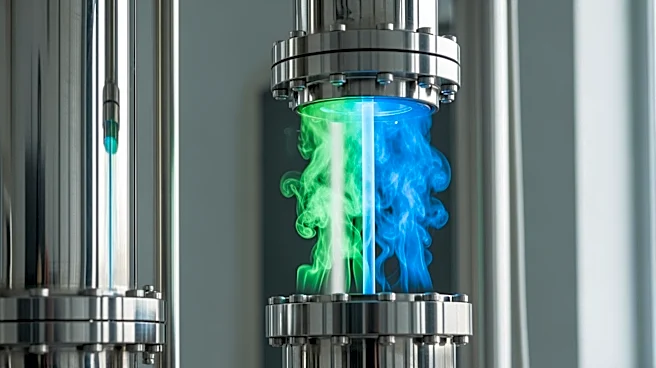
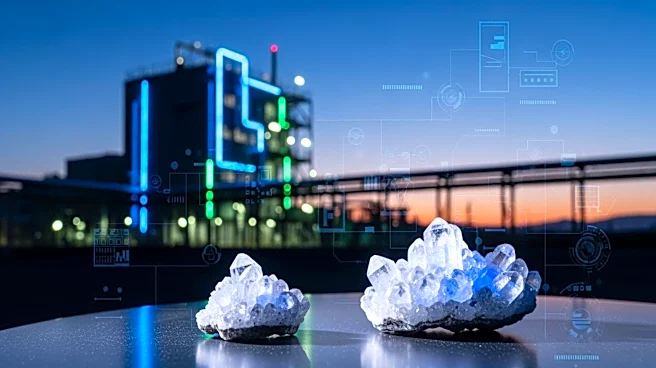
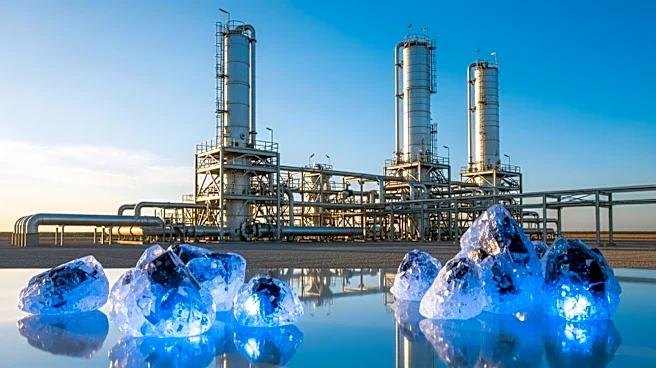
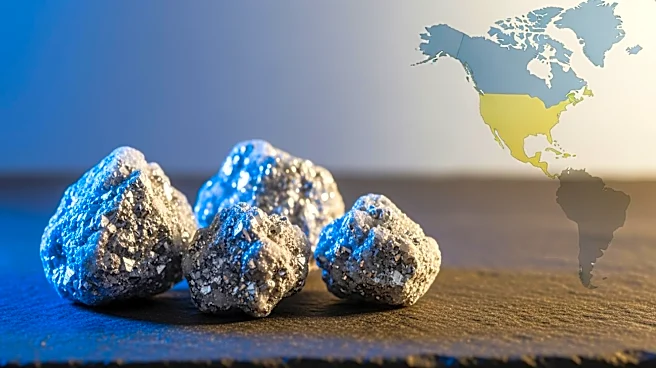
EnergyX has inaugurated Project Lonestar, the first direct lithium extraction plant in Texas, marking a significant step in U.S. lithium refining. This facility is designed to provide a scalable domestic refining pathway, aiming to reduce reliance on foreign
lithium sources. The plant is strategically positioned to tap into the lithium-rich brine resources of the Smackover formation. With an annual production capacity of approximately 250 metric tons of lithium carbonate equivalent, the plant is set to validate EnergyX's direct lithium extraction and refining technologies under industrial conditions. This development aligns with U.S. policy goals to secure domestic supply chains for critical minerals, potentially supporting energy security and defense readiness by supplying materials for advanced battery technologies.
Why It's Important?
The launch of Project Lonestar is crucial as it addresses the U.S.'s dependency on foreign lithium sources, which is a bottleneck in the global lithium supply chain. By establishing a domestic source of lithium, EnergyX is contributing to the U.S.'s strategic goal of securing critical mineral supply chains. This move is particularly significant given the rising global demand for lithium, driven by the adoption of electric vehicles and the expansion of grid-scale energy storage. The plant's success could influence the global lithium supply chain and reshape the economics of U.S. lithium refining, potentially leading to increased investment in domestic lithium production and refining capabilities.
What's Next?
As Project Lonestar moves from pilot testing to full commercial deployment, EnergyX will focus on optimizing system design and validating process economics. The company aims to produce sample quantities of battery-grade lithium for customer qualification, positioning itself with a competitive cost profile. The success of this facility could encourage further investment in domestic lithium extraction and refining, potentially leading to the establishment of additional facilities. This could enhance the U.S.'s position in the global lithium market and support the country's energy security and technological advancements in battery technologies.