






What's Happening?
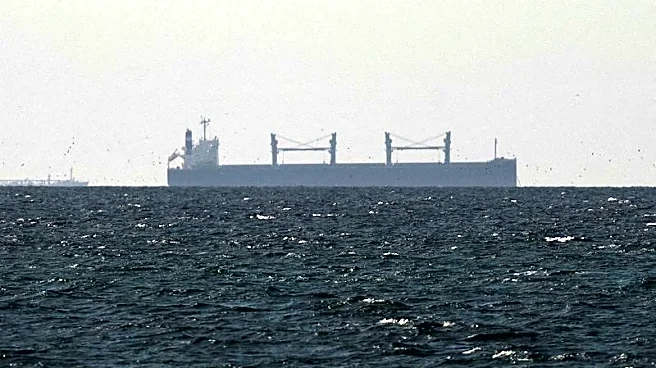
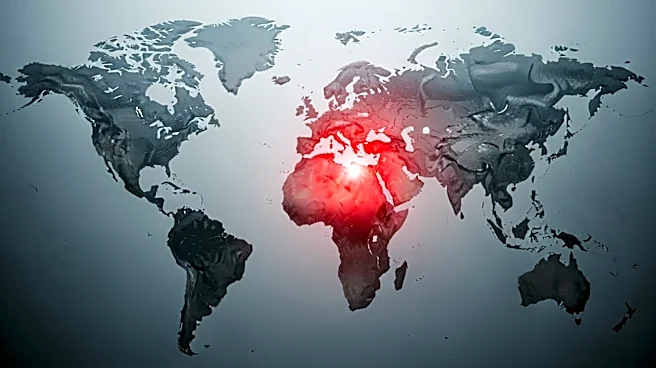
Global supply chain pressures have surged to their highest level in three years, driven by the energy price shock and maritime disruptions resulting from the ongoing conflict involving the US, Israel, and Iran. According to GEP's monthly supply chain volatility
index report, the global index score rose to 0.57 in March from 0.09 in February, marking the highest point since January 2023. This increase indicates significant stress on supply chains worldwide. The report highlights that safety stockpiling has reached a three-year peak as factories bolster inventory buffers in response to disruptions at the Strait of Hormuz, increased transportation costs, and supplier price hikes. The conflict has also led to a decline in purchases of raw materials and intermediate goods, with shortages of oil-derived products such as polymers, PVC, and rubber reaching a three-year high. Despite these challenges, the situation has not yet escalated into a broad-based economic shock.
Why It's Important?
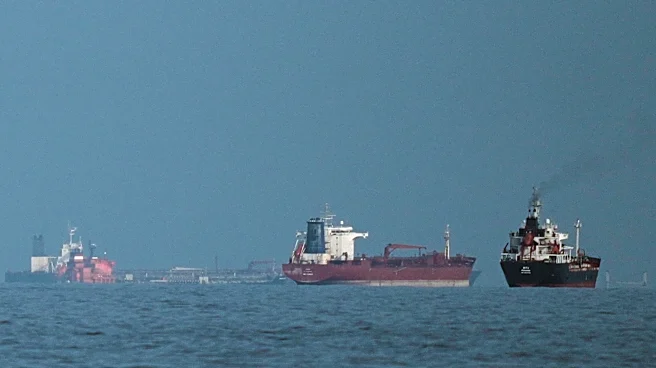
The escalation of supply chain pressures has significant implications for global industries, particularly those reliant on Middle Eastern oil. The Strait of Hormuz, a critical chokepoint for global oil supply, has seen a drastic reduction in ship crossings, impacting transportation costs and availability of essential materials. This situation poses a risk to manufacturing sectors, especially in Asia, which heavily depends on Middle Eastern oil. The increased costs and shortages could lead to higher prices for consumers and potential disruptions in production schedules. Companies are urged to strategically secure supplies to mitigate these impacts while avoiding excessive stockpiling that could lock in higher costs. The ongoing conflict underscores the vulnerability of global supply chains to geopolitical tensions and highlights the need for resilience and diversification strategies.
What's Next?
As the conflict continues, businesses and governments may need to explore alternative supply routes and sources to mitigate the impact on supply chains. Companies might increase investments in supply chain resilience, including dual sourcing and safety stock strategies. Additionally, there could be increased pressure on policymakers to address the vulnerabilities exposed by the conflict, potentially leading to regulatory changes or incentives for supply chain diversification. The situation will require close monitoring as further escalation could lead to more severe disruptions and economic consequences.