





What's Happening?
A webinar scheduled for June 3 will explore the latest advancements in robotic case and each picking, focusing on the integration of robotic grippers, machine vision, and artificial intelligence. The event will feature industry leaders discussing the growing
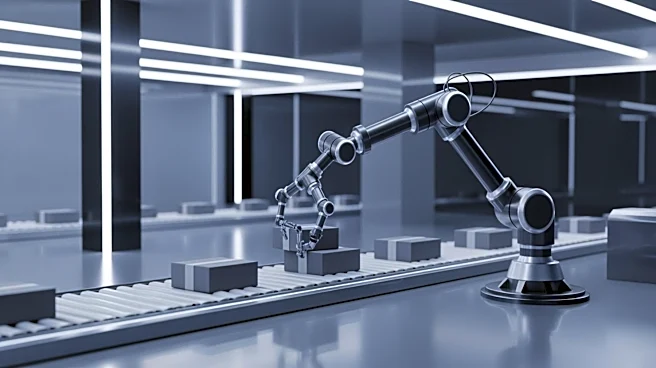
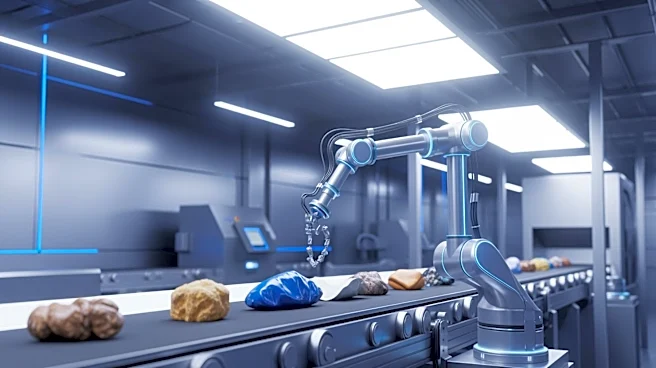
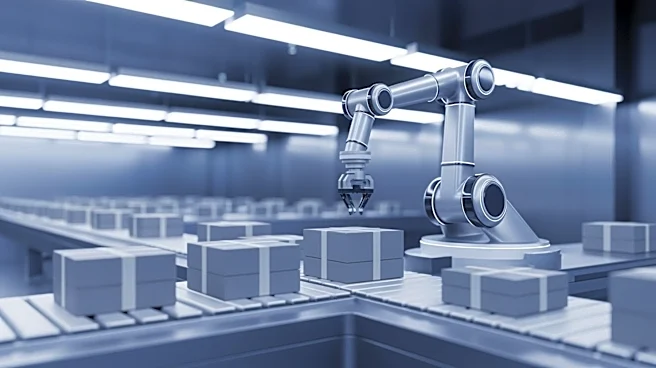
use cases and technological progress in automated manipulation. Historically, humans have been more efficient than robots in picking and placing individual SKUs and cases, but the increasing scarcity and cost of labor, along with the potential for human error and injury, have driven the need for automation. The webinar will address how robots can enhance productivity through collaborative picking and human-supervised exception handling. It will also cover the challenges of manipulating various shapes, materials, and weights, and how organizations are overcoming these with physical AI.
Why It's Important?
The shift towards robotic automation in order fulfillment is significant for the logistics and supply chain industries. As labor becomes more expensive and less available, the ability to automate repetitive tasks can lead to increased efficiency and reduced costs. This transition not only addresses labor shortages but also minimizes the risk of workplace injuries associated with repetitive motion tasks. Companies that adopt these technologies can gain a competitive edge by improving accuracy and speed in their operations. The integration of AI in robotics also allows for continuous improvement through data collection and analysis, further enhancing operational capabilities.
What's Next?
Following the webinar, companies may look to implement or expand their use of robotic picking technologies. The insights shared by industry experts could influence strategic decisions regarding automation investments. Businesses might explore partnerships with technology providers to integrate these solutions into their operations. Additionally, the ongoing development of AI and machine learning in robotics suggests that future advancements could further refine and expand the capabilities of automated systems, potentially leading to broader adoption across various sectors.