



What's Happening?
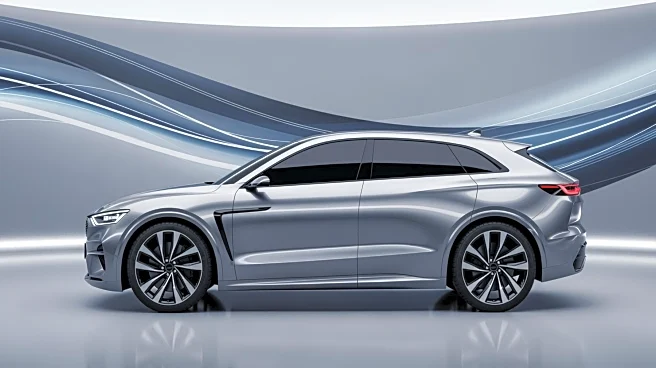
Infiniti has introduced the 2027 QX65, a new mid-size SUV model that complements its existing lineup. The QX65 features a sloped roofline, eliminating the third row found in the QX60, and offers expanded cargo space. It will be available in three trims:
Luxe, Sport, and Autograph, all equipped with a 268-hp turbocharged 2.0-liter four-cylinder VC-Turbo engine. The powertrain has been specifically retuned for the QX65, with adjustments to sound and transmission for improved performance. Standard features include all-wheel drive and premium visual elements like an illuminated grille emblem. The interior boasts a comfortable design with leather accents, a 12.3-inch digital gauge cluster, and a central touchscreen. Wireless Apple CarPlay and Android Auto are standard, with additional features like a head-up display available in higher trims.
Why It's Important?
The introduction of the 2027 QX65 marks Infiniti's strategic move to expand its SUV offerings, catering to consumers seeking stylish and practical vehicles. By eliminating the third row, Infiniti targets buyers who prioritize cargo space over passenger capacity, potentially appealing to families and individuals with active lifestyles. The retuned powertrain and enhanced features reflect Infiniti's commitment to performance and luxury, which could strengthen its position in the competitive SUV market. The QX65's design, inspired by the coupe-like FX SUV from the 2000s, may attract nostalgia-driven consumers and those interested in modern aesthetics.
What's Next?
The 2027 Infiniti QX65 is set to reach U.S. dealerships early this summer, with pricing starting at $55,535 for the Luxe trim. Infiniti's focus on design and performance may prompt competitors to innovate similarly, potentially leading to a broader trend of SUV models emphasizing style and cargo capacity. Consumer reception will likely influence Infiniti's future design and marketing strategies, as well as its position in the luxury SUV segment.
Beyond the Headlines
The QX65's design choices, such as the sloped roofline and expanded cargo space, reflect broader automotive trends prioritizing practicality and aesthetics. This shift may influence consumer expectations and drive demand for vehicles that balance style with functionality. Additionally, the integration of advanced technology features like wireless connectivity and premium audio systems highlights the growing importance of tech-savvy interiors in attracting modern buyers.