


What's Happening?
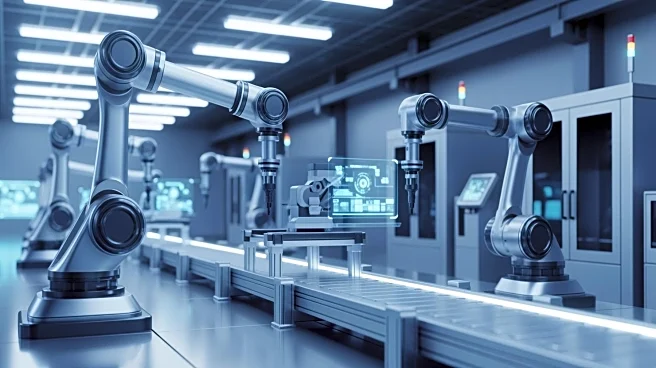
The machinery and equipment sector is experiencing a surge in demand, primarily driven by advancements in precision manufacturing, robotics, and automation. This sector includes essential equipment such as industrial CNC machinery, which offers precision,
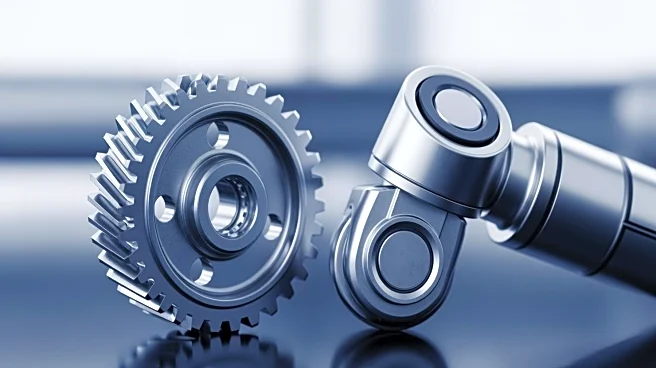
efficiency, and flexibility in modern manufacturing. Additionally, there is a significant demand for high-strength, heavy-duty gears used in cranes, excavators, and mining equipment, as well as precision gears for robotics and automated manufacturing lines. The demand for cold-finished iron and steel bars is also accelerating, driven by the need for enhanced fatigue life and superior machinability in automotive and industrial applications. The market for cold-finished iron and steel bars and bar size shapes is projected to grow steadily through 2035, supported by the modernization of global manufacturing infrastructure and the increasing complexity of engineered components.
Why It's Important?
The rising demand in the machinery and equipment sector is crucial for several U.S. industries, including automotive, construction, and aerospace. As the sector evolves, it supports the transition to electric vehicles (EVs) and the development of advanced machinery, which are key to maintaining competitiveness in the global market. The demand for high-precision components is essential for the automotive sector, particularly as it shifts towards EVs, requiring precision motor shafts and high-strength fasteners. In construction, the need for high-specification anchoring and fastening systems is growing, driven by infrastructure renewal programs. The aerospace and defense sectors also benefit from the demand for high-performance alloy and stainless steels, which are critical for aircraft and defense applications. This growth supports job creation and technological advancements in the U.S., reinforcing the country's position as a leader in manufacturing innovation.
What's Next?
Looking ahead, the machinery and equipment sector is expected to continue its growth trajectory, driven by sustained investment in industrial automation, precision agriculture, and energy transition infrastructure. The demand for cold-finished products will remain strong, particularly in applications requiring tight tolerances and enhanced strength. The sector will likely see increased competition from substitute materials and advanced manufacturing technologies, which could impact traditional cold finishing processes. However, the ongoing push for higher-value, specification-driven products will support market expansion. Key indicators to watch include global manufacturing PMI indices, investment in robotics and automation, and commodity prices, which will influence demand for mining and agricultural equipment.
Beyond the Headlines
The machinery and equipment sector's growth has deeper implications for the U.S. economy and its industrial landscape. The shift towards automation and precision manufacturing reflects broader trends in digital transformation and the integration of smart technologies in industrial processes. This evolution is likely to drive changes in workforce requirements, emphasizing the need for skilled labor capable of operating and maintaining advanced machinery. Additionally, the sector's growth supports environmental sustainability efforts, as precision manufacturing and automation can lead to more efficient resource use and reduced waste. The focus on high-strength, lightweight materials also aligns with efforts to improve energy efficiency in transportation and construction, contributing to broader climate goals.