






What's Happening?
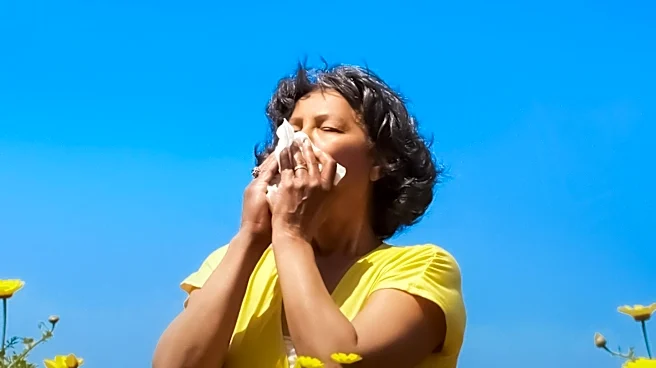
A report highlights how climate change is exacerbating hay fever symptoms, impacting people's ability to enjoy nature. The study found that global warming has extended pollen seasons, with some trees releasing pollen earlier than in previous decades.
This increase in pollen, combined with higher carbon dioxide levels, intensifies allergic reactions, affecting millions of people worldwide.
Why It's Important?
The findings underscore the broader impacts of climate change on public health and quality of life. As pollen seasons lengthen, more individuals may experience severe allergic reactions, leading to increased healthcare costs and reduced productivity. The report calls for greater awareness of climate change's health impacts and the need for adaptive measures to mitigate its effects on allergies.
What's Next?
Efforts to address climate change could include strategies to manage pollen levels and improve air quality. Public health initiatives may focus on educating individuals about managing allergies and promoting the use of antihistamines and other treatments. Policymakers might also consider integrating climate adaptation measures into urban planning to reduce exposure to allergens.