







What's Happening?
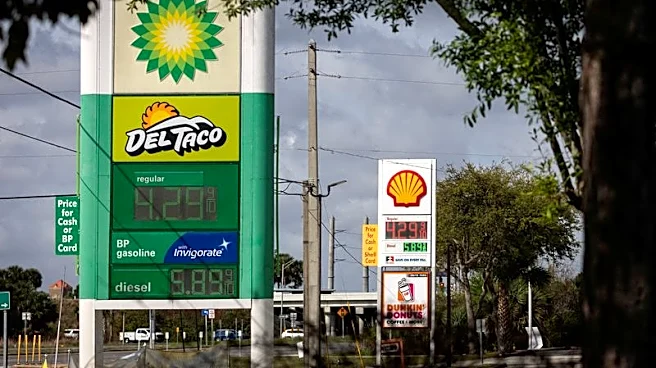
The U.S. dollar has reached a one-week high following a significant rise in U.S. inflation, which has led to increased speculation about potential interest rate hikes by the Federal Reserve. The consumer price index in the U.S. rose by 3.8% over the past
year, marking the largest annual increase since May 2023. This inflation surge is attributed to the oil shock resulting from the ongoing U.S.-Israeli conflict with Iran. As a result, U.S. Treasury yields have climbed, with the two-year note and the benchmark 10-year note nearing seven-week highs. The market has largely dismissed the possibility of a rate cut by the Federal Reserve this year, with a 35% chance of a 25 basis point hike at the December meeting now anticipated. Meanwhile, geopolitical tensions in the Middle East have kept oil prices elevated, with Brent crude trading near $107 a barrel.
Why It's Important?
The rise in U.S. inflation and the subsequent strengthening of the dollar have significant implications for the global economy and financial markets. Higher inflation and potential interest rate hikes could lead to increased borrowing costs, affecting consumer spending and business investments. The strong dollar may also impact U.S. exports by making them more expensive for foreign buyers, potentially widening the trade deficit. Additionally, the elevated oil prices due to Middle East tensions could further strain global supply chains and increase production costs across various industries. The Federal Reserve's monetary policy decisions in response to these developments will be closely watched by investors and policymakers worldwide, as they could influence global economic stability and growth prospects.
What's Next?
The Federal Reserve's upcoming meetings will be critical in determining the future direction of U.S. monetary policy. Market participants will be keenly observing any signals from the Fed regarding interest rate adjustments. Additionally, ongoing geopolitical developments in the Middle East will continue to influence oil prices and, consequently, inflationary pressures. The potential for further currency interventions by countries like Japan, in response to volatility, could also impact global currency markets. Stakeholders, including businesses and investors, will need to navigate these uncertainties and adjust their strategies accordingly.