



What's Happening?
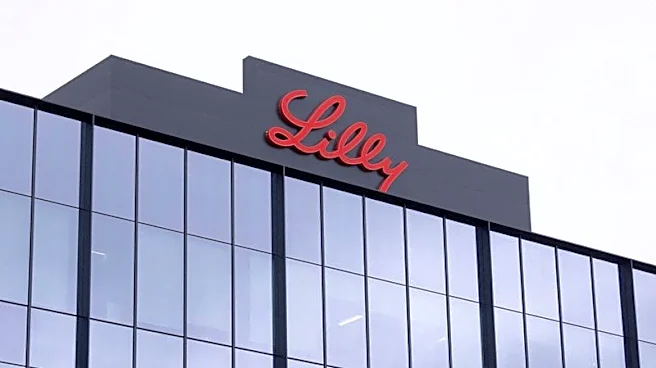
Eli Lilly and Company has reached a market capitalization of over $1 trillion, driven by its leadership in metabolic health and innovative drug development. The company has successfully navigated past challenges, including a patent cliff, by focusing
on incretin therapies for diabetes and obesity, as well as breakthroughs in Alzheimer's treatment. Key products include tirzepatide (Mounjaro and Zepbound) and the recently launched Foundayo, an oral GLP-1 agonist. Lilly's strategic use of artificial intelligence in drug discovery and its robust manufacturing capabilities have positioned it as a leader in the pharmaceutical industry.
Why It's Important?
Eli Lilly's transformation into a high-growth innovation engine underscores the potential of strategic R&D investments and technological advancements in reshaping the pharmaceutical landscape. The company's success in addressing chronic diseases with significant unmet needs, such as obesity and Alzheimer's, highlights the growing importance of metabolic health in global healthcare. Lilly's achievements could influence industry trends, encouraging other pharmaceutical companies to adopt similar strategies in drug development and manufacturing. The company's financial performance and market dominance may attract increased investor interest and impact stock market dynamics.
What's Next?
Eli Lilly is expected to continue its focus on expanding its product portfolio and exploring new therapeutic areas. The upcoming Phase III data for retatrutide, a triple agonist, could further solidify Lilly's dominance in the metabolic health sector. The company's plans to increase dividends and buybacks may attract more income-oriented investors. Regulatory developments, such as the Inflation Reduction Act, and potential supply chain challenges will be key factors to monitor. Lilly's strategic initiatives and market performance will be closely watched by industry analysts and investors.