

What's Happening?
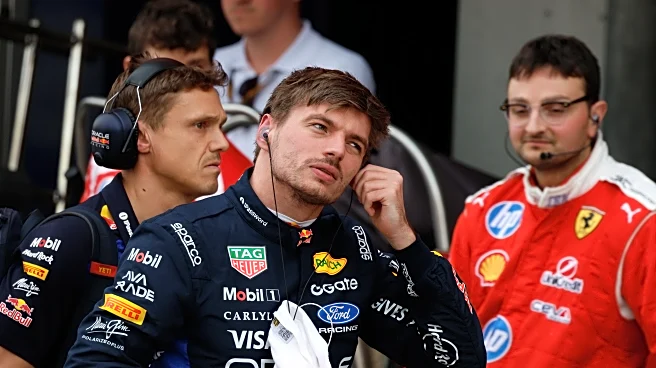
Max Verstappen, a prominent Formula 1 driver for Red Bull, is contemplating retirement at the end of the 2026 season, two years before his contract ends. Despite his success, including four world championships, Verstappen has expressed dissatisfaction
with the current state of F1, particularly the new regulations that he feels detract from the sport's enjoyment. His comments follow a disappointing performance at the Japanese Grand Prix, where he finished eighth. Verstappen's potential departure would mark a significant shift in the sport, given his status as one of its most successful and highest-paid drivers.
Why It's Important?
Verstappen's potential retirement highlights broader issues within Formula 1, including driver dissatisfaction with recent regulatory changes. His departure would not only impact Red Bull but also the competitive landscape of F1, as he is a key figure in the sport. The situation underscores the challenges F1 faces in balancing innovation with maintaining the sport's traditional appeal. Verstappen's decision could influence other drivers and teams, prompting discussions about the future direction of F1 and its ability to retain top talent.
What's Next?
If Verstappen decides to retire, Red Bull will need to find a replacement capable of maintaining their competitive edge. The situation may also prompt F1 to reevaluate its regulations to address driver concerns and ensure the sport remains attractive to both participants and fans. Verstappen's decision could lead to broader discussions about the sport's future, potentially influencing regulatory changes and strategic decisions by teams and the FIA.