



What's Happening?
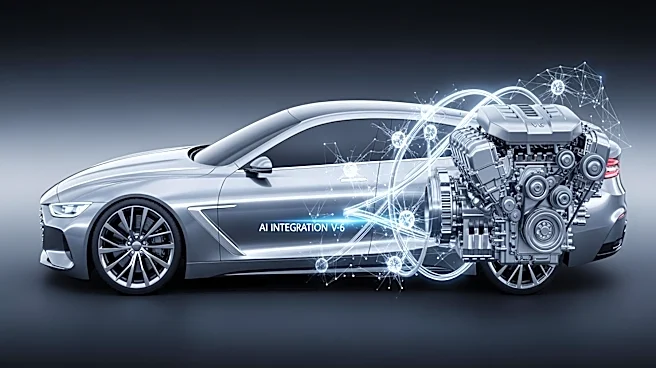
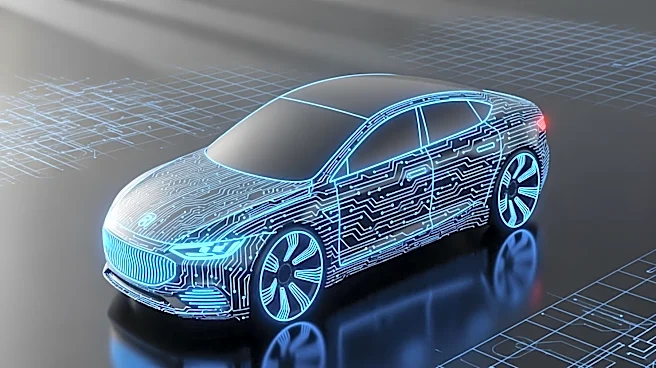
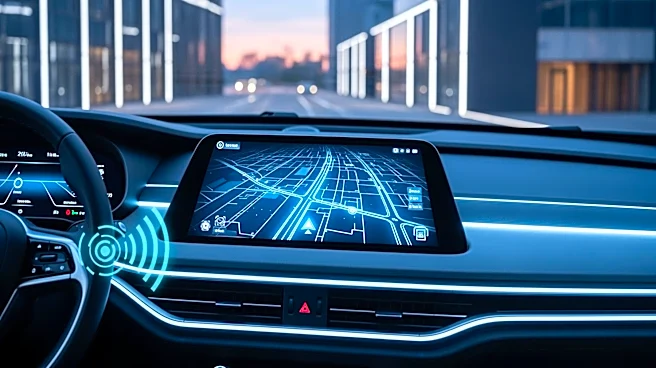
Nissan has unveiled its 'Mobility Intelligence for Everyday Life' strategy, focusing on integrating artificial intelligence into its vehicle lineup. The company plans to deploy AI-driven intelligence in 90% of its vehicles, enhancing safety and autonomous
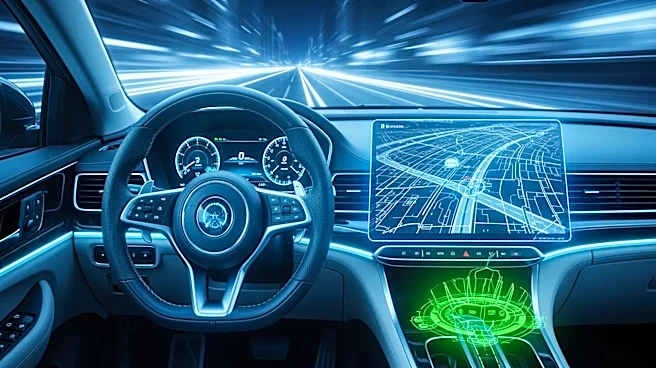
driving capabilities. This initiative is part of Nissan's long-term vision to improve customer experience and maintain competitiveness in the automotive industry. Collaborations with companies like Wayve and Monolith are central to this strategy, with the first AI-enhanced vehicle, the Nissan Elgrand, expected by the end of the 2027 fiscal year. This vehicle will feature next-generation lidar technology and autonomous drive features.
Why It's Important?
Nissan's strategic shift towards AI-driven vehicles highlights the automotive industry's broader trend towards automation and smart technology. As competition from Chinese automakers intensifies and regulatory challenges persist in Europe and North America, embracing AI is crucial for Nissan to regain its competitive edge. The integration of AI technologies is expected to enhance vehicle safety, reduce development time, and improve overall customer satisfaction. This move also positions Nissan to capitalize on the growing demand for autonomous vehicles, potentially reshaping market dynamics and influencing industry standards.
What's Next?
Nissan's partnership with Wayve and Monolith will play a pivotal role in the rollout of AI technologies across its vehicle lineup. The success of the Nissan Elgrand and other AI-enhanced models will be closely watched by industry analysts and competitors. As Nissan advances its AI capabilities, it may face challenges related to consumer adoption and regulatory compliance. However, successful implementation could lead to increased market share and influence over future automotive trends. The company's focus on AI also suggests potential expansions into new markets and applications, such as robotaxis and advanced driver-assist systems.