







What's Happening?
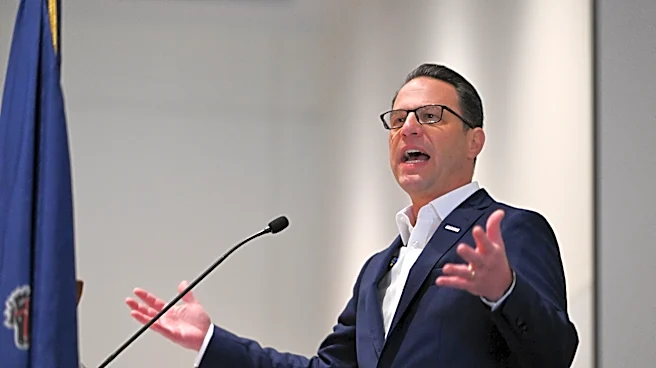
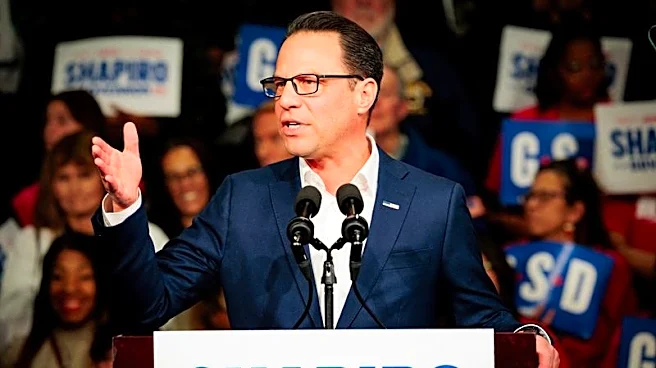
Pennsylvania Governor Josh Shapiro has taken a bold step to address rising utility costs by pressuring PECO Energy to withdraw proposals for rate hikes. In a letter to utility leaders, Shapiro outlined new standards for approving rate increases, emphasizing
the need for cost-benefit analyses and reduced equity returns. This move challenges the traditional utility model, which often prioritizes corporate profitability. Shapiro's actions aim to make utilities more accountable and ensure that rate increases are justified by tangible benefits to consumers.
Why It's Important?
Governor Shapiro's initiative represents a significant shift in how states can address the affordability of essential services like electricity and gas. By challenging the conventional rate-setting model, Shapiro is advocating for consumer protection and financial transparency. This approach could set a precedent for other states facing similar affordability issues, potentially leading to broader regulatory reforms in the utility sector. The move also highlights the growing political focus on affordability as a key issue for voters.
What's Next?
Shapiro's actions may inspire other states to reevaluate their utility rate-setting practices, potentially leading to a wave of regulatory changes across the country. Utility companies may need to adapt to new expectations for financial accountability and consumer protection. The outcome of this initiative could influence future policy discussions on energy affordability and corporate responsibility.
Beyond the Headlines
The challenge to utility rate hikes raises questions about the balance between corporate interests and consumer rights. It also underscores the role of state governments in regulating essential services and protecting public welfare. Shapiro's actions could prompt a reevaluation of the relationship between utilities and regulators, with potential implications for energy policy and economic equity.