
What's Happening?
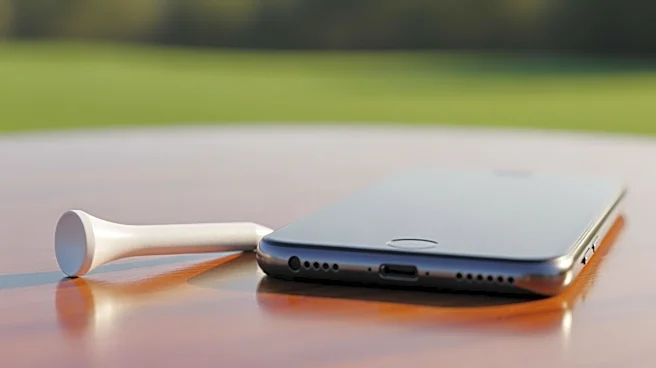
The PGA Tour is set to implement a new social media policy that will relax restrictions on players, allowing them to share more content from events. According to a report by Front Office Sports, the updated
rules will permit players to distribute up to three minutes of content created on-site during competition days, an increase from the previous two minutes. Additionally, players will be able to post broadcast footage of up to six shots per round after TV coverage ends, up from one shot. The policy also expands the allowance for TV highlights to eight minutes per video and 120 total minutes on YouTube, up from five minutes and 60 minutes, respectively. These changes were discussed at a Player Advisory Council meeting in Charlotte, coinciding with the Truist Championship at Quail Hollow. The policy update comes as players like Bryson DeChambeau express interest in leveraging platforms like YouTube for additional revenue streams.
Why It's Important?
The relaxation of social media restrictions by the PGA Tour is significant as it reflects a broader trend of sports organizations adapting to the digital age. By allowing players to share more content, the PGA Tour is acknowledging the growing importance of social media as a tool for engagement and brand building. This move could enhance the visibility of the sport and its athletes, potentially attracting a younger audience. For players, the ability to share more content provides opportunities for personal brand development and additional revenue through platforms like YouTube. This change could also influence other sports organizations to reconsider their social media policies, balancing traditional broadcasting rights with the evolving digital landscape.
What's Next?
As the new social media policy is implemented, players and the PGA Tour will likely monitor its impact on audience engagement and revenue. The policy could lead to increased collaboration between players and content creators, further expanding the reach of golf. Additionally, the PGA Tour may explore partnerships with social media platforms to enhance content distribution. Stakeholders, including sponsors and broadcasters, will be keen to assess how these changes affect viewership and advertising opportunities. The success of this policy could prompt other sports leagues to adopt similar strategies, potentially reshaping the relationship between sports, media, and audiences.