
What's Happening?
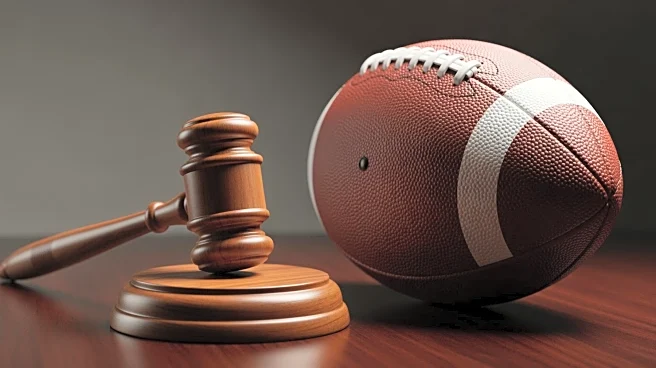
Urban Meyer, a prominent figure in college football, has expressed concerns over the NCAA's waning authority in enforcing college athletics regulations. During a recent podcast, Meyer highlighted the organization's struggles in defending its rulings in court, as athletes increasingly seek legal injunctions to extend their eligibility. He described the NCAA as a 'powerless organization' due to its lack of subpoena power. Meyer cited the case of Ole Miss quarterback Trinidad Chambliss, who secured a court injunction for a sixth season after the NCAA denied his waiver request. Despite some victories, such as the revocation of eligibility for Alabama basketball center Charles Bediako, Meyer remains skeptical about the NCAA's ability to maintain
control. He also discussed potential federal involvement in regulating name, image, and likeness issues, expressing doubt about the effectiveness of federal oversight.
Why It's Important?
The diminishing authority of the NCAA has significant implications for college sports governance. As athletes increasingly turn to the courts to challenge NCAA decisions, the organization's ability to enforce its rules is compromised. This shift could lead to more athletes successfully extending their eligibility, potentially altering the competitive landscape of college sports. Meyer's skepticism about federal oversight suggests a lack of confidence in government intervention to resolve these issues. The ongoing legal challenges may prompt a reevaluation of the NCAA's role and the need for reform in college athletics governance. Stakeholders, including universities, athletes, and policymakers, may need to consider alternative models for regulating college sports to ensure fairness and consistency.
What's Next?
The future of NCAA governance remains uncertain as legal challenges continue to undermine its authority. Stakeholders may push for reforms to strengthen the organization's enforcement capabilities or explore new governance models. Discussions about federal involvement in regulating college sports are likely to persist, with potential legislative proposals aimed at addressing name, image, and likeness issues. Universities and athletes may need to adapt to a changing regulatory environment, potentially leading to shifts in recruitment strategies and eligibility criteria. The NCAA's response to these challenges will be crucial in determining its future role in college athletics.
Beyond the Headlines
The legal challenges facing the NCAA highlight broader issues of athlete rights and the balance of power in college sports. As athletes gain more leverage through court rulings, questions about fairness, equity, and the commercialization of college sports come to the forefront. The debate over name, image, and likeness rights reflects a growing recognition of athletes' contributions to the industry and their entitlement to a share of the revenue. These developments may lead to cultural shifts in how college sports are perceived and managed, with potential impacts on recruitment, sponsorship, and fan engagement.