







What's Happening?
The 2026 TV upfronts in Manhattan showcased significant shifts in the television industry, with networks and streaming platforms focusing on advanced advertising technologies and creator-led content. Major players like Netflix, NBC, and Fox presented
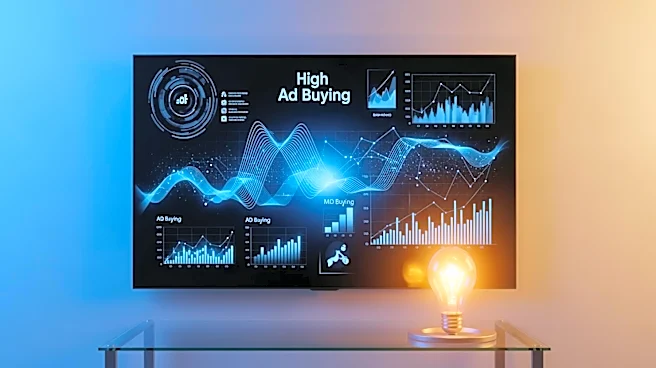
their strategies to attract advertisers, emphasizing AI-enhanced targeting and real-time performance dashboards. The event highlighted the integration of personalized viewing experiences into advertising, with companies like Disney and Netflix using viewer data to tailor ads. Additionally, platforms like YouTube and Twitch are elevating creators to mainstream status, with YouTube stars landing shows on traditional platforms. The upfronts also featured familiar content, such as reboots of 'Baywatch' and 'Scrubs', appealing to nostalgia while integrating modern advertising techniques.
Why It's Important?
The developments at the 2026 TV upfronts reflect a broader transformation in the media landscape, where traditional television is increasingly intertwined with digital platforms. The focus on data-driven advertising and creator-led content signifies a shift towards more personalized and engaging viewer experiences. This evolution is crucial for networks and streamers to remain competitive in an era where consumer preferences are rapidly changing. The integration of AI and real-time analytics in advertising could lead to more effective marketing strategies, benefiting both advertisers and consumers. Moreover, the elevation of creators from platforms like YouTube to mainstream media highlights the growing influence of digital content creators in shaping entertainment trends.
What's Next?
As networks and streaming platforms continue to innovate, the television industry is likely to see further integration of advanced technologies in advertising and content creation. The success of creator-led content could encourage more collaborations between traditional media companies and digital influencers. Additionally, the focus on personalized advertising may lead to new privacy considerations and regulations as companies navigate the balance between data-driven strategies and consumer privacy. The ongoing evolution of the media landscape will require stakeholders to adapt to changing viewer habits and technological advancements to maintain relevance and profitability.