



What's Happening?
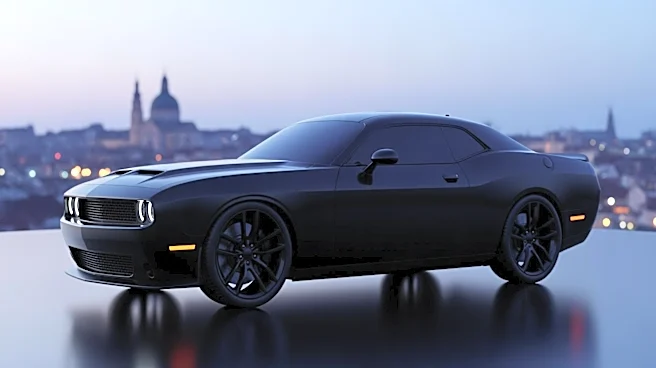
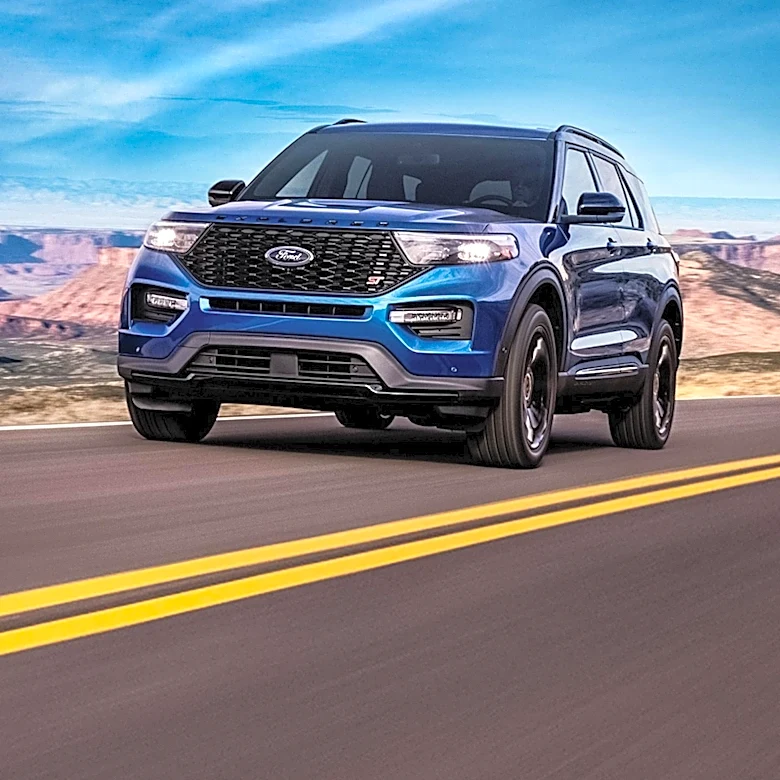
Stellantis has initiated a road-testing program for a Dodge Charger Daytona equipped with a prototype solid-state battery developed by Factorial. This marks a significant step towards integrating solid-state battery technology into production vehicles.
The prototype battery boasts an energy density of 375 watt-hours per kilogram and can recharge from 15 to 90 percent in just 18 minutes. Stellantis and Factorial have been working on this technology, which promises higher energy density and faster recharging rates compared to traditional lithium-ion batteries. The testing program, which began in 2026, aims to validate the performance and reliability of these batteries under real-world conditions. The Charger Daytona prototype features Factorial's FEST (Factorial Electrolyte System Technology) battery, integrated into the vehicle's existing battery pack with a new mechanical architecture.
Why It's Important?
The development and testing of solid-state batteries by Stellantis represent a potential breakthrough in electric vehicle technology. Solid-state batteries offer several advantages over conventional lithium-ion batteries, including higher energy density, faster charging times, and improved safety. These benefits could significantly enhance the performance and appeal of electric vehicles, potentially accelerating their adoption. For the automotive industry, this advancement could lead to more efficient and longer-range electric vehicles, addressing some of the current limitations of EVs. Additionally, the successful integration of solid-state batteries could position Stellantis as a leader in the EV market, providing a competitive edge in the rapidly evolving automotive landscape.
What's Next?
While the road-testing program is underway, it remains unclear how long it will take before solid-state batteries are available in production vehicles. Stellantis has not specified a timeline for the completion of the testing or the commercial release of vehicles equipped with this technology. However, several companies have indicated that solid-state batteries could be available by 2030. As the testing progresses, Stellantis will likely continue to refine the technology and address any challenges that arise. The outcome of this program could influence the strategies of other automakers and battery manufacturers, potentially leading to broader industry shifts towards solid-state technology.