






What's Happening?
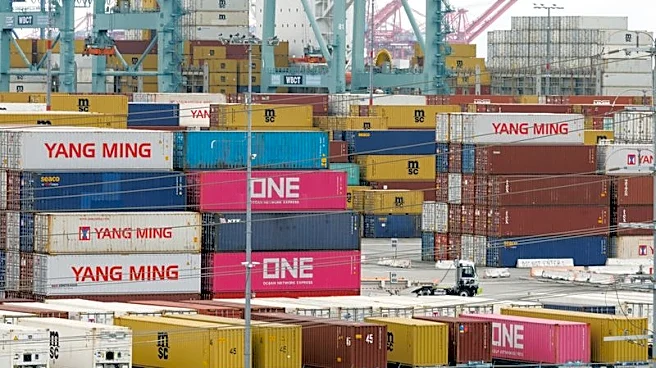
In response to tariff uncertainties, freight volatility, and geopolitical shifts, multi-region manufacturing has become a strategic imperative for beauty, fragrance, personal care, and luxury wine brands. This approach involves a disciplined global manufacturing strategy
that emphasizes flexibility, cost control, and risk mitigation. Each region offers distinct advantages and trade-offs, such as North America's shorter lead times and lower tariff exposure, South America's competitive pricing, Europe's premium componentry, and Asia's cost-competitiveness. The strategy requires a comprehensive evaluation of factors like lead times, tariff exposure, minimum order quantities, and freight considerations to make informed decisions.
Why It's Important?
The shift towards multi-region manufacturing is crucial for brands aiming to navigate the complexities of a volatile global market. By diversifying their manufacturing locations, companies can mitigate risks associated with tariffs and supply chain disruptions, ensuring more stable and sustainable growth. This strategy allows brands to align production with their priorities, such as cost efficiency, lead-time requirements, and sustainability goals. As the beauty industry continues to evolve, adopting a flexible manufacturing approach can provide a competitive edge and support long-term success.
What's Next?
Brands are expected to continue refining their global manufacturing strategies, focusing on building flexibility into their long-term packaging programs. This may involve qualifying multiple production partners and structuring programs to pivot as needed. As geopolitical and economic conditions change, companies will need to remain agile and responsive to maintain their competitive position in the market.