
What's Happening?
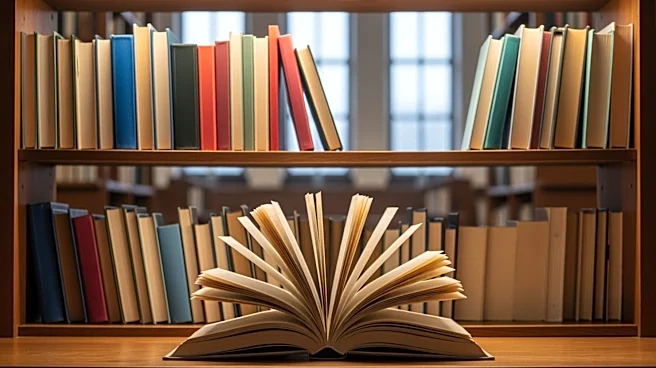
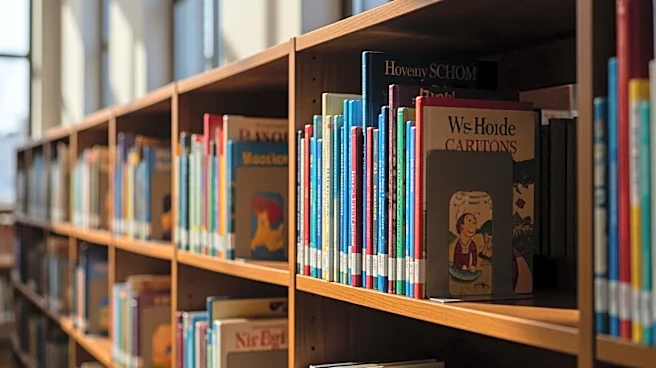
Book bans in American libraries have reached unprecedented levels, with 90% of challenges originating from government officials and activists, according to the American Library Association (ALA). The ALA's latest report highlights a coordinated effort
to remove books, often targeting works with LGBTQ+ themes or those addressing sensitive topics like sexual violence. The list of most challenged books includes titles such as 'Sold' by Patricia McCormick and 'Gender Queer' by Maia Kobabe. The trend marks a shift from past challenges, which were typically initiated by local community members.
Why It's Important?
The surge in book bans reflects broader cultural and political tensions in the U.S., with implications for freedom of expression and access to diverse perspectives. Libraries serve as crucial spaces for knowledge and inclusivity, and the increase in challenges could limit access to important narratives and educational resources. This trend may also influence public discourse and policy, as debates over censorship and parental choice in education continue to intensify.
What's Next?
As National Library Week is observed, the ALA and other advocacy groups are likely to intensify efforts to protect intellectual freedom and resist censorship. Legal challenges and public campaigns may emerge to counteract restrictive legislation and promote awareness about the importance of diverse literary access. The ongoing dialogue may also prompt legislative reviews and potential reforms in how book challenges are addressed at local and national levels.